Web Development

The era of Web5

The Era of Web5: Combining Web3 and Web2 for the Future

Introduction: What is the Era of Web5? The internet has undergone significant transformations since its inception. Web1 brought static, read-only content. Web2 introduced dynamic, user-generated content and centralized platforms like social media. Web3 revolutionized the landscape with blockchain technology and decentralization. Now, we are entering the era of Web5, a concept that aims to merge the best of Web2’s usability with Web3’s decentralization to create a truly user-centric internet experience. The era of Web5 focuses on restoring user ownership, enhancing privacy, and creating seamless decentralized applications (dApps). By combining the strengths of its predecessors, Web5 has the potential to revolutionize how we interact with the internet, making it more secure, accessible, and empowering for individuals. 1. Understanding the Evolution: From Web1 to Web5 The development of the Internet can be categorized into distinct phases: Web1: The Static Web Timeline: 1990s to early 2000s Features: Read-only websites with minimal interactivity. Limitations: Limited to information consumption, lacking personalization or dynamic features. Web2: The Interactive Web Timeline: Early 2000s to present Features: Social media, e-commerce, and user-generated content dominate this phase. Centralized platforms like Facebook and YouTube became the norm. Limitations: Concerns over privacy, data ownership, and monopolistic practices by tech giants. Web3: The Decentralized Web Timeline: Emerging since the late 2010s Features: Blockchain technology enables decentralized apps (dApps), smart contracts, and token-based ecosystems. Limitations: Steep learning curves, scalability issues, and fragmented user experiences. Web5: The Convergence of Web2 and Web3 Vision: Merging Web2’s user-friendly interfaces with Web3’s decentralized infrastructure. Objective: Create a seamless, user-owned, and privacy-centric internet experience. The era of Web5 represents a shift towards a more inclusive and functional Internet, addressing the shortcomings of both Web2 and Web3. 2. What Sets Web5 Apart? The unique aspects of the era of Web5 lie in its focus on: 2.1 User Ownership Web5 emphasizes giving users full control over their data, identities, and digital assets, eliminating reliance on centralized platforms. 2.2 Interoperability Web5 fosters seamless communication between decentralized applications, bridging the gaps that often exist in Web3 ecosystems. 2.3 Enhanced Usability By combining Web2’s intuitive design principles with Web3’s decentralized backend, Web5 aims to deliver a user-friendly experience. 2.4 Privacy by Default Privacy is a core principle of Web5, achieved through cryptographic methods and decentralized identity frameworks. 3. Key Technologies Driving the Era of Web5 Several cutting-edge technologies contribute to the realization of Web5’s vision: 3.1 Blockchain and Distributed Ledgers Blockchain technology provides the foundation for decentralization, enabling secure peer-to-peer transactions and smart contracts. 3.2 Decentralized Identifiers (DIDs) DIDs allow users to create and manage their digital identities independently of centralized authorities. 3.3 Decentralized Storage Technologies like IPFS (InterPlanetary File System) ensure that data is stored securely and redundantly without central points of failure. 3.4 Zero-Knowledge Proofs These cryptographic techniques enhance privacy by proving the validity of information without revealing sensitive data. 4. Decentralized Identity and Data Ownership One of the hallmarks of the era of Web5 is its emphasis on decentralized identity and data ownership. 4.1 Self-Sovereign Identity (SSI) SSI empowers users to own and control their digital identities without relying on intermediaries. This concept ensures that: Users can selectively share information. Identity theft risks are minimized. Digital interactions remain private and secure. 4.2 Personal Data Pods Personal data pods allow individuals to store and manage their data independently, granting access to third parties only when necessary. 4.3 Impact on Businesses For businesses, decentralized identity frameworks simplify compliance with data protection regulations like GDPR while fostering trust with users. 5. Web5 Use Cases: Beyond Blockchain The era of Web5 expands decentralized applications beyond traditional blockchain use cases: 5.1 Decentralized Social Media Platforms like BlueSky aim to create user-owned social networks, eliminating concerns over censorship and data monetization. 5.2 Decentralized Finance (DeFi) 2.0 Web5 introduces more accessible and intuitive financial services, addressing the complexities of current DeFi systems. 5.3 Supply Chain Transparency Decentralized systems enable real-time tracking of goods, ensuring transparency and accountability across supply chains. 5.4 Content Creation and Monetization Web5 allows creators to directly monetize their content without intermediaries, ensuring fair revenue distribution. 6. Challenges to Adopting Web5 Despite its potential, Web5 faces several hurdles: 6.1 Technical Complexity Building and maintaining decentralized applications require advanced technical expertise, which may limit adoption. 6.2 Scalability Issues Decentralized networks often struggle to handle large-scale transactions efficiently. 6.3 User Awareness Educating users about the benefits and functionality of Web5 is critical for widespread adoption. 6.4 Regulatory Concerns Navigating the legal and regulatory landscape remains a challenge, particularly in jurisdictions with strict data and financial laws. 7. Future Trends Shaping the Era of Web5 The evolution of Web5 will be influenced by several emerging trends: 7.1 AI-Driven Decentralization AI can optimize decentralized networks, improving performance and scalability. 7.2 Green Blockchain Initiatives Sustainability-focused technologies will reduce the environmental impact of decentralized networks. 7.3 Cross-Platform Integration Web5 will foster interoperability between traditional and decentralized systems, ensuring seamless transitions for users. 8. How Businesses Can Prepare for Web5 8.1 Invest in Decentralized Infrastructure Adopting decentralized technologies like blockchain and IPFS ensures businesses stay competitive in the era of Web5. 8.2 Enhance User Education Providing educational resources helps users understand and adopt Web5 technologies. 8.3 Focus on Privacy and Security Implementing privacy-centric solutions fosters trust and compliance with evolving regulations. 8.4 Collaborate with Innovators Partnering with decentralized tech startups accelerates innovation and adoption. Wrapping It Up: Embracing the Era of Web5 The transition to the era of Web5 marks a pivotal moment in the internet’s evolution. By combining the user-centric principles of Web2 with the decentralization of Web3, Web5 promises a future where individuals have greater control over their digital experiences. For businesses and developers, embracing Web5 is not just an opportunity—it’s a necessity to stay relevant in a rapidly changing digital landscape. By investing in decentralized technologies, prioritizing user privacy, and fostering innovation, organizations can thrive in this exciting new era of the internet.

The Era of Web5: Combining Web3 and Web2 for the Future Read More »

PHP powers 75% of the web

PHP: Why It Still Powers 75% of the Web in 2024

Introduction Despite the rise of modern programming languages and frameworks, PHP powers 75% of the web in 2024, continuing to be the backbone of some of the most popular websites, including Facebook, Wikipedia, and WordPress. PHP’s resilience is a testament to its unmatched versatility, simplicity, and widespread adoption. Whether it’s a small blog or a large-scale e-commerce platform, PHP has consistently adapted to meet the needs of developers worldwide. In this article, we’ll explore why PHP continues to dominate the web, its advantages, its relevance in modern development, and its role in shaping the internet landscape. A Brief History of PHP PHP, or Hypertext Preprocessor, was introduced in 1994 by Rasmus Lerdorf as a simple scripting language for building dynamic web pages. Over the years, PHP evolved into a full-fledged server-side programming language with widespread adoption. From PHP 3’s introduction of extensible modules to PHP 7’s performance optimization and PHP 8’s modern features like JIT (Just-In-Time) compilation, the language has constantly evolved to keep pace with the changing web development landscape. Why PHP Powers 75% of the Web 1. Ease of Use PHP’s syntax is beginner-friendly, making it an ideal choice for new developers. Its simplicity allows developers to quickly set up web servers and create dynamic pages without a steep learning curve. Example: This simplicity has made PHP a go-to language for small businesses and individual developers creating websites. 2. Compatibility with Web Servers and Databases One of the reasons PHP powers 75% of the web is its compatibility with nearly all web servers, including Apache, Nginx, and IIS. Additionally, PHP integrates seamlessly with popular databases like MySQL, PostgreSQL, and SQLite. This flexibility allows developers to create web applications that are easy to deploy and run across different environments. 3. Extensive Frameworks and CMS Ecosystem PHP boasts a rich ecosystem of frameworks and content management systems (CMS) that simplify development tasks. Popular PHP Frameworks: Laravel: Offers elegant syntax and tools for building complex web applications. Symfony: Provides reusable PHP components for rapid development. CodeIgniter: Lightweight and ideal for small-scale projects. Content Management Systems: WordPress: Powers over 40% of websites globally. Drupal: Offers robust solutions for enterprise-level content management. Joomla: A user-friendly CMS for small to medium-sized businesses. These tools have significantly contributed to PHP’s dominance in web development. 4. Performance Improvements With the release of PHP 7 and PHP 8, the language has seen significant performance enhancements. PHP 7 introduced a new Zend Engine that doubled the execution speed of PHP code, while PHP 8’s JIT compilation further optimized performance for computational tasks. Benchmark Example: PHP 7 can handle twice as many requests per second compared to PHP 5, making it suitable for high-traffic websites and real-time applications. 5. Cost-Effectiveness PHP is open-source, meaning developers can use it for free without worrying about licensing fees. Additionally, the availability of free tools, libraries, and frameworks reduces development costs, making it an attractive choice for businesses of all sizes. 6. Large Developer Community PHP has one of the largest and most active developer communities. This ensures abundant resources, tutorials, and support for developers at all levels. The community-driven nature of PHP also results in continuous updates and innovations that keep the language relevant. Challenges Facing PHP Despite its popularity, PHP faces criticism for being less secure or modern than newer languages. Some of the challenges include: Security Concerns: Poorly written PHP code can be vulnerable to security threats. However, frameworks like Laravel have built-in security features to mitigate risks. Competition from Modern Languages: JavaScript (Node.js), Python, and Ruby offer modern alternatives for web development. Legacy Code Maintenance: Many older PHP projects lack proper documentation, making them difficult to maintain. However, these challenges are addressed through best practices, modern frameworks, and community support. PHP in Modern Web Development 1. Role in E-Commerce PHP remains a cornerstone of e-commerce development due to its compatibility with platforms like Magento, WooCommerce, and OpenCart. These platforms enable businesses to build scalable and customizable online stores. 2. Integration with Modern Technologies PHP integrates seamlessly with APIs, cloud services, and microservices architecture, making it adaptable for modern web development. Developers can use PHP alongside technologies like REST, GraphQL, and Docker. 3. Serverless PHP The rise of serverless architecture has extended PHP’s capabilities. Platforms like AWS Lambda now support PHP, enabling developers to build scalable, serverless applications. Real-World Examples Facebook: Originally built with PHP, Facebook developed its PHP-based runtime, HHVM, to enhance performance. Wikipedia: One of the largest online encyclopedias uses PHP for its speed and reliability. WordPress: Over 40% of websites worldwide run on WordPress, powered by PHP. Why PHP is Here to Stay PHP’s longevity can be attributed to its adaptability, robust ecosystem, and ability to meet the needs of both small-scale projects and large-scale applications. The language continues to evolve, with modern frameworks and updates ensuring its relevance in an ever-changing tech landscape. As new technologies emerge, PHP’s compatibility, cost-effectiveness, and ease of use make it a reliable choice for businesses and developers alike. Takeaway In 2024, PHP powers 75% of the web due to its simplicity, performance, and versatility. While newer languages and frameworks have emerged, PHP remains indispensable for web development. Its extensive frameworks, robust community support, and compatibility with modern technologies make it a cornerstone of the internet’s infrastructure. Whether you’re building a small blog or a complex enterprise application, PHP offers the tools and flexibility needed to succeed in web development.

PHP: Why It Still Powers 75% of the Web in 2024 Read More »

TypeScript for large projects

TypeScript: Enhancing JavaScript for Large Projects

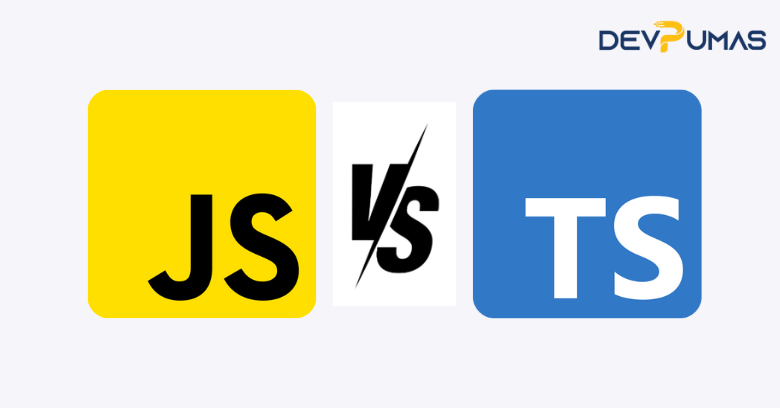
Introduction JavaScript has been the backbone of web development for decades, powering everything from simple websites to complex, dynamic applications. However, as projects grow in size and complexity, plain JavaScript can become challenging to manage. This is where TypeScript for large projects steps in. TypeScript, a statically typed superset of JavaScript developed by Microsoft, has rapidly gained popularity among developers working on large-scale applications. By adding static typing and modern language features, TypeScript helps improve code maintainability, reduce errors, and streamline development workflows. This article explores the advantages of using TypeScript for large projects and why it’s becoming a must-have tool for modern developers. JavaScript vs. TypeScript: A Side-by-Side Comparison Code Examples: JavaScript vs. TypeScript Example 1: Function Typing JavaScript: function greet(name) { return “Hello, ” + name; } console.log(greet(42)); // Outputs: “Hello, 42” (unexpected behavior) TypeScript: function greet(name: string): string { return `Hello, ${name}`; } console.log(greet(“Alice”)); // Outputs: “Hello, Alice” // console.log(greet(42)); // Compile-time error: Argument of type ‘number’ is not assignable to parameter of type ‘string’. Example 2: Defining Object Shapes const user = { id: 1, name: “John Doe” }; console.log(user.age); // No error, but returns undefined. TypeScript: interface User { id: number; name: string; age?: number; // Optional property } const user: User = { id: 1, name: “John Doe” }; console.log(user.age); // TypeScript ensures that ‘age’ is either undefined or a number. Example 3: Using Enums const Status = { Active: “ACTIVE”, Inactive: “INACTIVE” }; console.log(Status.Active); // Outputs: “ACTIVE” TypeScript: enum Status { Active, Inactive } const currentStatus: Status = Status.Active; console.log(currentStatus); // Outputs: 0 (default enum value) Why TypeScript is Ideal for Large Projects 1. Error Prevention with Static Typing Static typing is one of the core reasons TypeScript is preferred for large projects. By specifying the data types of variables and functions, developers can catch potential bugs early in the development cycle. 2. Improved Developer Productivity TypeScript enhances the development experience by providing: IntelliSense: IDEs like Visual Studio Code offer autocompletion and in-line suggestions. Refactoring Tools: TypeScript makes it easier to restructure large codebases without fear of introducing errors. 3. Maintainability For teams managing large applications, TypeScript ensures consistent code by enforcing type contracts. This makes onboarding new developers and reviewing code simpler and faster. 4. Seamless Integration with JavaScript TypeScript can be adopted incrementally, allowing developers to introduce types to existing JavaScript projects without a full rewrite. TypeScript Features That Benefit Large Applications Interfaces and Type Definitions TypeScript’s interfaces allow developers to define the structure of objects clearly, ensuring consistency across the codebase. Example interface Product { id: number; name: string; price: number; } const getProduct = (id: number): Product => { return { id, name: “Sample Product”, price: 99.99 }; }; Generics Generics allow developers to write reusable, type-safe functions and classes. Example function wrapInArray(value: T): T[] { return [value]; } const numbers = wrapInArray(5); // [5] const strings = wrapInArray(“hello”); // [“hello”] Modules and Namespaces TypeScript supports modular development, which is crucial for large projects. Example: // utils.ts export function add(a: number, b: number): number { return a + b; } // main.ts import { add } from “./utils”; console.log(add(3, 4)); // Outputs: 7 Challenges of TypeScript While TypeScript offers significant advantages, it’s not without its challenges: Learning Curve: Developers need to learn TypeScript’s additional syntax and features. Increased Compilation Time: TypeScript requires a build step to compile into JavaScript. Setup Complexity: Setting up TypeScript in large projects involves configuring tools liketsconfig.json, linters, and bundlers. Adoption of TypeScript in the Industry Tech giants and startups alike are adopting TypeScript for large projects due to its scalability and reliability. Notable examples include: Microsoft: Uses TypeScript for its products, including Visual Studio Code. Slack: Adopted TypeScript for better maintainability of its codebase. Airbnb and Asana: Leverage TypeScript to manage their complex, multi-developer projects. Final Reflections TypeScript’s robust features, from static typing to enhanced tooling, make it a game-changer for large-scale projects. By addressing JavaScript’s limitations, it provides developers with the confidence and flexibility needed to tackle complex applications. For teams aiming to build scalable, maintainable software, adopting TypeScript for large projects is a decision that can pay dividends in the long run.

TypeScript: Enhancing JavaScript for Large Projects Read More »

The Rise of Rust

The Rise of Rust: Why It’s the Most Loved Language

Introduction Over the past few years, Rust has consistently topped developer surveys as the most loved programming language. Its unique combination of performance, safety, and developer-friendly features has made it a favorite among software engineers, especially in system programming. But why Rust is the most loved language is a question that delves deeper into its core strengths and applications. Rust offers memory safety without a garbage collector, empowering developers to write fast and reliable software. Whether it’s system-level programming, embedded systems, or web assembly, Rust’s versatility is unmatched. This article explores the reasons behind Rust’s growing popularity, its standout features, and the use cases that make it a compelling choice for modern developers. 1. What is Rust? An Overview Rust is a systems programming language developed by Mozilla Research in 2010. Designed to prioritize safety, speed, and concurrency, Rust addresses many of the challenges faced by traditional low-level languages like C and C++. Unlike its predecessors, Rust ensures memory safety without relying on garbage collection. This means developers can avoid common bugs like null pointer dereferencing, data races, and buffer overflows while maintaining high performance. Key features include: Ownership and borrowing concepts for memory safety. Zero-cost abstractions to write efficient code without overhead. A strong type system that catches errors at compile time. These features make Rust ideal for writing safe, concurrent, and high-performance code, which is why it has gained significant traction across industries. 2. Why Developers Love Rust Rust consistently ranks as the most loved language in Stack Overflow surveys. The reasons for its popularity include: 1. Safety First: Rust’s ownership model eliminates entire classes of bugs at compile time. Developers no longer need to worry about memory leaks, dangling pointers, or data races. 2. Performance: Rust is as fast as C and C++ but offers more safety. Its zero-cost abstractions ensure that the code you write translates directly to machine-level instructions without overhead. 3. Great Developer Experience: Rust’s tooling is exemplary, with features like: Cargo: Rust’s package manager and build a system that simplifies dependency management. Clippy: A linter to catch common mistakes and improve code quality. Rustfmt: Ensures consistent code formatting. 4. Community Support: Rust has a vibrant and welcoming community that actively contributes to its growth. Developers often cite the friendly environment as a reason they enjoy working with Rust. 3. Performance and Memory Safety Without Compromises One of the main reasons why Rust is the most loved language is its ability to deliver both high performance and memory safety. Performance: Rust’s focus on zero-cost abstractions means developers can write expressive, high-level code that compiles down to efficient machine code. It achieves this by avoiding the runtime overhead associated with languages like Java or Python. Memory Safety: Rust’s ownership system ensures that memory-related errors are caught at compile time. The compiler enforces rules for borrowing, lifetime, and mutability, ensuring safe memory usage without a garbage collector. Example of Ownership in Rust: fn main() { let s = String::from(“Hello”); let t = s; // Ownership of `s` is transferred to `t`. println!(“{}”, t); // println!(“{}”, s); // Compile-time error: `s` is no longer valid. } This feature not only improves code safety but also simplifies debugging, saving developers significant time and effort. 4. The Developer Experience: Tools and Ecosystem Rust’s commitment to developer productivity is evident in its robust tooling and extensive ecosystem. Cargo: The Package Manager Cargo handles everything from building code to managing dependencies and creating project templates. It’s one of the reasons developers can get started with Rust quickly and efficiently. Rust Playground The Rust Playground is an online editor that allows developers to experiment with Rust code directly in their browsers. It’s an excellent resource for learning and sharing snippets. Ecosystem Highlights: Tokio: An asynchronous runtime for building fast and reliable network applications. Actix: A powerful actor-based framework for building web applications. Diesel: A type-safe ORM for database interactions. This ecosystem supports a wide range of use cases, from web development to embedded systems. 5. Use Cases of Rust in Modern Development Rust’s versatility makes it suitable for a variety of applications. System Programming Rust excels in system-level programming tasks like operating systems, embedded devices, and game engines. Its low-level control ensures optimal performance. Web Assembly Rust is a leading language for Web Assembly, allowing developers to run high-performance code directly in the browser. This opens up opportunities for building interactive web applications with minimal latency. Networking and Concurrency Rust’s safety and performance make it ideal for building networking tools and concurrent applications. Libraries like Tokio simplify asynchronous programming, enabling developers to handle thousands of connections efficiently. Blockchain and Cryptography Blockchain platforms like Polkadot and Solana leverage Rust for its speed and safety. The language’s strong type system is particularly valuable for cryptographic applications. 6. Rust in Comparison with Other Programming Languages To understand why Rust is the most loved language, it’s essential to compare it with its peers. Rust vs. C++ Safety: Rust’s ownership model prevents common memory errors, while C++ requires manual management. Performance: Both are comparable in terms of speed, but Rust achieves safety without sacrificing performance. Learning Curve: C++ has a steeper learning curve due to its complex syntax and legacy features. Rust vs. Go Concurrency: Rust offers more fine-grained control over system resources, whereas Go emphasizes simplicity. Use Cases: Rust is better for low-level programming, while Go excels in web and cloud applications. Rust vs. Python Speed: Rust is significantly faster, making it suitable for performance-critical tasks. Ease of Use: Python’s simplicity makes it more accessible for beginners, but Rust offers better control and reliability for advanced use cases. 7. The Future of Rust: Trends and Adoption Rust’s adoption is on the rise, with major tech companies incorporating it into their workflows. Industry Adoption Microsoft: Uses Rust for secure system-level programming. Mozilla: Rust powers the Firefox browser’s rendering engine. Amazon Web Services (AWS): Adopts Rust for performance-critical services. Trends to Watch Embedded Systems: Rust’s safety features are well-suited for IoT and embedded devices. Web Development: Frameworks

The Rise of Rust: Why It’s the Most Loved Language Read More »

Full-stack trends

From Backend to Frontend: Full-Stack Trends

Introduction Full-stack development has evolved significantly in recent years, encompassing a wide range of tools, frameworks, and technologies that enable developers to handle both backend and frontend tasks. As we move into 2024, several full-stack trends are reshaping how developers approach building applications, from modern JavaScript frameworks to serverless architecture and cloud-native development. This article explores the most significant full-stack trends developers should watch for in 2024, including emerging tools, the increasing popularity of frameworks like React and Next.js, and the integration of AI in full-stack development workflows. Whether you’re a developer looking to stay ahead of the curve or an organization aiming to optimize your tech stack, understanding these trends is crucial for staying competitive in today’s fast-paced tech environment. 1. The Rise of Full-Stack JavaScript JavaScript remains the backbone of modern web development, and one of the key full-stack trends in 2024 is the dominance of full-stack JavaScript frameworks. The ability to use JavaScript for both backend and frontend development has made it the go-to choice for developers, ensuring consistency across the stack. Node.js, a popular backend JavaScript runtime, powers millions of applications today, allowing developers to write server-side logic in JavaScript. On the front end, libraries like React, Angular, and Vue.js are continuing to evolve, providing developers with robust tools to create interactive user interfaces. Why Full-Stack JavaScript is Growing: Unified Language: Using JavaScript on both the backend and front end streamlines development processes, reducing the need to learn multiple languages. Ecosystem Support: Node.js and its vast ecosystem of libraries and modules enable developers to build scalable and high-performance applications. Cross-Platform Development: JavaScript frameworks like React Native extend the language’s capabilities to mobile development, enabling full-stack developers to build web and mobile applications with the same codebase. As full-stack JavaScript gains more ground, it’s clear that this trend will continue shaping how applications are built in 2024 and beyond. 2. Serverless Architecture and Backend as a Service (BaaS) Serverless architecture is gaining traction as one of the most transformative full-stack trends. It allows developers to focus on writing code without worrying about managing servers or infrastructure. Instead of provisioning and scaling servers manually, developers can deploy functions that run in the cloud and scale automatically based on demand. Backend as a Service (BaaS) platforms, such as Firebase, AWS Amplify, and Supabase, offer pre-built backend services like authentication, databases, and real-time notifications. These services enable full-stack developers to build feature-rich applications without having to write backend code from scratch. Benefits of Serverless Architecture: Reduced Complexity: Developers can focus solely on writing code, while the cloud provider handles server management and scaling. Cost Efficiency: Serverless platforms charge based on actual usage, which can lead to significant cost savings for applications with variable traffic. Scalability: Serverless functions scale automatically, making them ideal for applications with unpredictable or highly variable workloads. As serverless adoption continues to rise, full-stack developers will increasingly rely on BaaS solutions and serverless frameworks like AWS Lambda, Netlify, and Vercel to simplify backend tasks. 3. Micro Frontends and Component-Based Development One of the emerging full-stack trends in 2024 is the shift towards micro frontends. As applications grow more complex, developers are breaking down frontend monoliths into smaller, independently deployable components. This approach, known as micro frontend architecture, allows teams to work on different parts of the application without stepping on each other’s toes. Micro frontends offer greater flexibility, as each team can choose the most suitable framework or technology for their specific component. This trend mirrors the microservices architecture on the backend, where services are decoupled and independently scalable. Advantages of Micro Frontends: Scalability: Teams can build and deploy frontend components independently, allowing for faster development cycles. Technological Flexibility: Each component can be built using a different framework, which reduces the risk of technological lock-in. Improved Maintainability: By breaking down large frontends into smaller components, the codebase becomes easier to manage and maintain. Component-based development frameworks like React, Angular, and Vue.js make it easier to adopt a micro frontend architecture by encouraging developers to build reusable and modular components. 4. DevOps Integration in Full-Stack Workflows The integration of DevOps into full-stack development processes is one of the most important full-stack trends in 2024. As full-stack developers take on more responsibility for both frontend and backend, DevOps practices are essential to ensure smooth deployment pipelines, continuous integration, and automated testing. DevOps integration enables developers to release features faster, with greater confidence in their code. Automated CI/CD pipelines, infrastructure as code, and containerization through Docker and Kubernetes are becoming essential tools for full-stack teams. Key DevOps Practices in Full-Stack Development: Continuous Integration/Continuous Deployment (CI/CD): Automating the build and deployment process reduces errors and speeds up releases. Infrastructure as Code (IaC): Tools like Terraform and AWS CloudFormation allow developers to define infrastructure in code, making it easier to manage and scale environments. Monitoring and Observability: Full-stack developers can now monitor the entire application stack—from frontend performance metrics to backend server logs—using tools like Prometheus, Grafana, and Datadog. As full-stack developers become more involved in deployment and operations, mastering DevOps tools and practices is crucial for delivering high-quality applications. 5. AI and Machine Learning in Full-Stack Development AI and machine learning (ML) are no longer just buzzwords—they are essential technologies that full-stack developers are increasingly integrating into their applications. One of the full-stack trends in 2024 is the rise of AI-driven applications, where full-stack developers use AI frameworks and tools to build smarter, more personalized user experiences. Full-stack developers can integrate AI capabilities like natural language processing (NLP), image recognition, and predictive analytics into their web and mobile applications using APIs from cloud providers like AWS, Google Cloud, and Microsoft Azure. Frameworks like TensorFlow.js and PyTorch allow developers to run machine learning models directly in the browser or on the server. AI Use Cases in Full-Stack Applications: Chatbots and Virtual Assistants: AI-powered chatbots provide better customer support by handling routine queries and delivering personalized responses. Recommendation Engines: AI helps recommend products, content, or services to users based on their behavior

From Backend to Frontend: Full-Stack Trends Read More »

Web3 Development

Web3 Development: Building Decentralized Applications

Introduction The internet is evolving, and with this evolution comes the rise of Web3, a decentralized version of the web that promises to reshape the way we interact online. Unlike the current Web2 model, which relies heavily on centralized servers and intermediaries, Web3 is built on blockchain technology, enabling decentralized applications (dApps) that are more secure, transparent, and user-centric. For developers, Web3 development opens up a new frontier of possibilities, allowing them to create applications that are not only innovative but also have the potential to disrupt traditional industries. In this article, we’ll explore the fundamentals of Web3, the key components of dApps, and how developers can get started with Web3 development. What is Web3? Web3, often referred to as the decentralized web, represents the third generation of internet services and applications. While Web1 was characterized by static websites and Web2 introduced dynamic content and social media, Web3 is all about decentralization, blockchain, and peer-to-peer networks. The goal of Web3 is to give users control over their data, remove the need for intermediaries, and enable secure, trustless transactions. Key Characteristics of Web3: Decentralization: Unlike Web2, where data is stored on centralized servers, Web3 applications (dApps) store data on decentralized networks using blockchain technology. This reduces the risk of data breaches and censorship. Ownership: In Web3, users have ownership of their data and digital assets. They can interact directly with applications without relying on third parties. Interoperability: Web3 applications are designed to work seamlessly with each other, allowing for greater collaboration and innovation across the ecosystem. The Fundamentals of Web3 Development Before diving into Web3 development, it’s important to understand the key components that make up this new ecosystem. These components include blockchain technology, smart contracts, decentralized applications (dApps), and the tools and frameworks that developers use to build them. 1. Blockchain Technology At the core of Web3 is blockchain technology, a distributed ledger that records transactions across a network of computers. Each block in the blockchain contains a list of transactions, and once a block is added to the chain, it cannot be altered. This immutability makes blockchain an ideal foundation for secure and transparent applications. Popular Blockchains for Web3 Development: Ethereum: The most widely used blockchain for dApp development, Ethereum supports smart contracts and has a robust developer ecosystem. Binance Smart Chain (BSC): A blockchain that offers faster transactions and lower fees, making it an attractive option for dApp developers. Polkadot: Known for its interoperability, Polkadot allows different blockchains to communicate and share information. 2. Smart Contracts Smart contracts are self-executing contracts with the terms of the agreement directly written into code. They run on the blockchain and automatically enforce the terms of the contract when certain conditions are met. Smart contracts are the backbone of Web3 development, enabling decentralized applications to operate without the need for intermediaries. Example Use Case: A smart contract on Ethereum could be used to facilitate a peer-to-peer loan, where the terms are automatically enforced, and funds are released only when all conditions are met. 3. Decentralized Applications (dApps) Decentralized applications, or dApps, are applications that run on a blockchain network rather than on centralized servers. dApps leverage smart contracts to perform various functions, from financial transactions to governance and beyond. They are open-source, transparent, and typically incentivize users through tokens. Key Features of dApps: Decentralization: dApps operate on a peer-to-peer network, eliminating the need for a central authority. Transparency: All transactions and activities within a dApp are recorded on the blockchain, making them transparent and auditable. Incentivization: Many dApps have built-in token economies that reward users for participating in the network. Getting Started with Web3 Development Now that we’ve covered the basics of Web3 and its key components, let’s explore how developers can start building decentralized applications. Web3 development requires a different mindset and set of tools compared to traditional web development, but the potential rewards are immense. 1. Learn the Basics of Blockchain and Smart Contracts Before you can start building dApps, it’s essential to have a solid understanding of blockchain technology and how smart contracts work. Many online resources, courses, and tutorials can help you get started. Recommended Resources: Coursera: Courses on blockchain fundamentals and smart contract development. Solidity Documentation: The official documentation for Solidity, the most widely used programming language for writing smart contracts on Ethereum. CryptoZombies: An interactive tutorial that teaches you Solidity by building a simple game on Ethereum. 2. Choose a Blockchain Platform The next step in Web3 development is choosing the blockchain platform on which to build your dApp. Ethereum is the most popular choice due to its large developer community and extensive documentation. However, other platforms like Binance Smart Chain and Polkadot also offer unique advantages. Factors to Consider: Transaction Fees: Ethereum is known for its high gas fees, so if cost is a concern, you might want to explore alternatives like Binance Smart Chain. Scalability: Consider how well the blockchain can scale with your application’s needs. Some blockchains, like Polkadot, offer enhanced scalability through their unique architectures. Developer Tools: Look for a platform with robust developer tools, including IDEs, debuggers, and libraries, to streamline the development process. 3. Set Up Your Development Environment Once you’ve chosen your blockchain platform, it’s time to set up your development environment. This typically involves installing the necessary tools and libraries to write and deploy smart contracts, as well as interact with the blockchain. Essential Tools for Web3 Development: Truffle: A development framework for Ethereum that makes it easier to write, test, and deploy smart contracts. Remix: An online IDE for writing Solidity contracts and deploying them to the Ethereum blockchain. Web3.js: A JavaScript library that allows developers to interact with the Ethereum blockchain from a web application. 4. Write and Deploy Smart Contracts Smart contracts are the backbone of any dApp, so writing and deploying them is a critical step in Web3 development. Solidity is the most common language for writing Ethereum smart contracts, but other blockchains may use different languages (e.g., Rust for Solana). Steps to

Web3 Development: Building Decentralized Applications Read More »

The Impact of WebAssembly on Modern Web Development

Introduction For decades, JavaScript has been the backbone of web development, powering dynamic and interactive elements on websites. However, as web applications become more complex and resource-intensive, developers are looking for alternatives that offer better performance and flexibility. Enter WebAssembly in web development. WebAssembly (Wasm) is a binary instruction format that allows developers to write code in languages like Rust, C++, and Go, and run it in the browser with near-native performance. This innovative technology is changing the landscape of web development by expanding the capabilities of the browser, enhancing performance, and improving security. What is WebAssembly? WebAssembly (Wasm) is a low-level bytecode for the web that is designed to be a compilation target for high-level languages like Rust, C++, Go, and many others. Unlike JavaScript, which is an interpreted language, WebAssembly code is compiled ahead of time and executed in a highly optimized way by the browser’s engine. This allows for performance gains that were previously unattainable with JavaScript alone. The core idea behind WebAssembly in web development is to enable a broader range of programming languages for web applications, providing developers with more flexibility and control. Key Features of WebAssembly High Performance: WebAssembly is designed to run at near-native speed by taking advantage of common hardware capabilities available on various platforms. Portability: WebAssembly code can be executed in any environment that supports it, including all major web browsers. Security: WebAssembly runs in a secure sandboxed environment, which reduces the risk of malicious code execution and enhances overall web security. Interoperability with JavaScript: WebAssembly can seamlessly interact with JavaScript, allowing developers to integrate it into existing web applications without a complete rewrite. Why Use WebAssembly in Web Development? 1. Enhanced Performance One of the primary advantages of using WebAssembly in web development is its significant performance boost. WebAssembly is compiled into a binary format directly executed by the browser’s engine, bypassing the need for the extensive parsing and interpretation that JavaScript requires. This leads to faster load times and smoother execution, especially for computationally intensive tasks like gaming, video editing, and 3D modeling. Example Use Case: A web-based CAD (Computer-Aided Design) tool written in C++ can leverage WebAssembly to provide a desktop-like experience within the browser, handling complex calculations and rendering tasks efficiently. With WebAssembly in web development, developers are no longer limited to JavaScript. They can use languages they are more comfortable with or those better suited for specific tasks. For instance, Rust is known for its memory safety features, making it an excellent choice for security-critical applications. C++ offers performance and system-level access, ideal for complex algorithms and high-performance computing. Go provides simplicity and is great for concurrent programming. Example Use Case: A developer can use Rust to create a secure web-based password manager, leveraging Rust’s strong memory safety guarantees while still integrating smoothly with JavaScript-based UI components. 3. Improved Security WebAssembly operates in a secure, sandboxed environment, which helps mitigate several common security vulnerabilities, such as buffer overflows. This sandboxed execution makes WebAssembly in Web Development an attractive option for applications requiring high security, such as financial services or handling sensitive personal data. Example Use Case: An online banking platform can use WebAssembly to ensure that cryptographic operations are performed securely, reducing the risk of exploits that could compromise sensitive user data. 4. Cross-Platform Compatibility WebAssembly is designed to be portable, meaning that code compiled to Wasm can run on any browser and operating system that supports it, without modification. This cross-platform capability simplifies development and deployment, allowing developers to write code once and run it anywhere. Example Use Case: A game developer can write the core logic of a web-based game in C++, compile it to WebAssembly, and ensure it runs smoothly across all major browsers and devices, including desktops, tablets, and smartphones. How to Get Started with WebAssembly in Web Development 1. Writing WebAssembly Code To start using WebAssembly, you need to write code in a language that can be compiled into Wasm. Languages like Rust, C++, and Go are popular choices due to their performance characteristics and available tooling support. Here’s a simple example of how you can write a “Hello, World!” program in Rust and compile it to WebAssembly // hello_world.rs #[no_mangle] pub fn hello_world() -> *const u8 { b”Hello, WebAssembly!”.as_ptr() } To compile this Rust code into WebAssembly, you can use wasm-pack, a popular toolchain for building WebAssembly projects in Rust: wasm-pack build –target web This command compiles the Rust code into WebAssembly, creating a .wasm file that can be used in your web application. 2. Integrating WebAssembly with JavaScript Integrating WebAssembly in web development with existing JavaScript codebases is straightforward. You can load and execute WebAssembly modules using JavaScript’s WebAssembly API. Here’s an example of how to load and run a WebAssembly module in a web application: // Load and instantiate the WebAssembly module fetch(‘hello_world.wasm’).then(response => response.arrayBuffer() ).then(bytes => WebAssembly.instantiate(bytes) ).then(results => { // Call the exported function from WebAssembly const helloWorldPointer = results.instance.exports.hello_world(); console.log(new TextDecoder(‘utf-8’).decode(new Uint8Array(memory.buffer, helloWorldPointer))); }); This JavaScript code loads the WebAssembly module, instantiates it, and calls the exported hello_world function, which returns a pointer to the string “Hello, WebAssembly!”. Challenges and Considerations of Using WebAssembly While WebAssembly in Web Development offers numerous benefits, there are also challenges and considerations to keep in mind: 1. Learning Curve Developers familiar with JavaScript may need to learn new programming languages and paradigms to fully leverage WebAssembly. Additionally, debugging and profiling WebAssembly code can be more challenging compared to JavaScript due to its low-level nature. 2. Performance Overhead Although WebAssembly generally offers superior performance compared to JavaScript, there are cases where the overhead of calling between WebAssembly and JavaScript, known as “JavaScript glue code,” can negate some of the performance benefits. Minimizing these calls is crucial for maintaining performance. 3. Limited Access to Browser APIs Currently, WebAssembly does not have direct access to all browser APIs, such as the DOM (Document Object Model). Developers need to use JavaScript as an intermediary to interact with these APIs, which can add

The Impact of WebAssembly on Modern Web Development Read More »

Server-Side Rendering vs. Client-Side Rendering

Server-Side Rendering vs. Client-Side Rendering: Render Right

Rendering is a critical component of web development, influencing the performance, SEO, and user experience of web applications. There are two primary methods for rendering web pages: Server-Side Rendering (SSR) and Client-Side Rendering (CSR). This article explores the differences between SSR and CSR, their benefits and drawbacks, and guidance on choosing the right approach for your project. Understanding Server-Side Rendering What is Server-Side Rendering? Server-Side Rendering (SSR) involves rendering web pages on the server before sending them to the client’s browser. The server processes the request, generates the HTML, and sends a fully rendered page to the client. This approach was common before the rise of JavaScript frameworks. Benefits of Server-Side Rendering Improved SEO: SSR provides search engines with fully rendered HTML, improving crawlability and indexation. Faster Initial Load: Since the HTML is rendered on the server, the initial load time is faster, providing a quick and responsive user experience. Better Performance on Low-Power Devices: SSR reduces the workload on the client-side, which is beneficial for devices with limited processing power. Drawbacks of Server-Side Rendering Increased Server Load: Rendering on the server can increase the load, especially with high traffic, potentially affecting performance. Complex Implementation: SSR can be more complex to implement and maintain, requiring a more sophisticated infrastructure. Understanding Client-Side Rendering What is Client-Side Rendering? Client-Side Rendering (CSR) involves rendering web pages directly in the browser using JavaScript. The server sends a minimal HTML page, and JavaScript on the client-side handles the rendering and updates. This approach became popular with the advent of JavaScript frameworks like React, Angular, and Vue.js. Benefits of Client-Side Rendering Reduced Server Load: CSR shifts the rendering process to the client, reducing the load on the server and potentially lowering hosting costs. Rich Interactivity: CSR allows for highly interactive and dynamic user interfaces, as it can update the UI without requiring a full page reload. Flexible and Scalable: CSR provides a more flexible architecture, making it easier to scale and integrate with other client-side technologies. Drawbacks of Client-Side Rendering Slower Initial Load: The initial load can be slower because the browser must download and execute JavaScript before rendering the page. SEO Challenges: CSR can pose challenges for SEO, as search engines may struggle to index content rendered on the client-side. Heavier Client Load: CSR increases the processing load on the client, which can be problematic for devices with limited resources. Choosing the Right Rendering Method Consider SEO Requirements If SEO is a primary concern, SSR is generally more advantageous due to its ability to deliver fully rendered HTML to search engines. This can enhance the visibility and ranking of your web pages. Assess Performance Needs For applications requiring fast initial load times and better performance on low-power devices, SSR may be the better choice. However, if you need a highly interactive user interface with frequent updates, CSR might be more suitable. Evaluate Complexity and Resources Consider the complexity of implementation and maintenance. SSR can require more server resources and sophisticated infrastructure, while CSR can simplify deployment but may need more client-side optimization. Hybrid Approaches: The Best of Both Worlds Many modern web applications use a hybrid approach, combining the strengths of SSR and CSR. One such approach is Hydration, where the initial rendering is done on the server (SSR), and subsequent interactions are handled on the client (CSR). Another method is Static Site Generation (SSG), where pages are pre-rendered at build time, offering the benefits of SSR with the performance of static pages. Conclusion Choosing between Server-Side Rendering and Client-Side Rendering depends on your specific project requirements, including SEO priorities, performance needs, and resource availability. Understanding the strengths and weaknesses of each approach will help you make an informed decision that enhances the user experience and meets your business goals. By carefully evaluating your needs and considering hybrid solutions, you can leverage the best aspects of both SSR and CSR, ensuring that your web application is both performant and scalable. Embracing the right rendering strategy is essential for delivering a seamless and efficient web experience in today’s competitive digital landscape.

Server-Side Rendering vs. Client-Side Rendering: Render Right Read More »

Accessibility First Web

Accessibility First: Designing Inclusive Web Experiences

In today’s digital age, ensuring that websites are accessible to all users is not just a legal requirement but also a moral obligation. The principle of “Accessibility First” in web design emphasizes creating inclusive web experiences that cater to people with diverse abilities. This article explores the importance of accessibility, key practices for designing inclusive web experiences, and tools to help developers implement these practices effectively. Why Accessibility First Web Design Matters Enhancing User Experience An “Accessibility First Web” approach ensures that websites are usable by everyone, including people with disabilities. This not only enhances the user experience for a broader audience but also boosts user satisfaction and engagement. Legal Compliance Various laws and regulations, such as the Americans with Disabilities Act (ADA) and the Web Content Accessibility Guidelines (WCAG), mandate that websites be accessible. Adhering to these standards helps organizations avoid legal repercussions. Expanding Market Reach By making websites accessible, businesses can tap into a larger market segment. According to the World Health Organization, over a billion people, or 15% of the world’s population, live with some form of disability. An accessible website can attract and retain this significant user base. Key Practices for Designing Inclusive Web Experiences Use Semantic HTML Using semantic HTML elements such as <header>, <main>, <article>, and <footer> helps screen readers and other assistive technologies understand the structure of the web page. This improves navigation and access to content for users with disabilities. Provide Text Alternatives Ensure that all non-text content, like images, videos, and audio files, have text alternatives. Use alt attributes for images, provide transcripts for audio, and caption videos. This allows users who rely on screen readers to access the information conveyed through these media. Ensure Keyboard Accessibility Many users with disabilities navigate websites using keyboards rather than a mouse. Make sure that all interactive elements, such as links, buttons, and form fields, are accessible via keyboard. This can be tested by navigating through the site using the Tab key. Implement ARIA Landmarks Accessible Rich Internet Applications (ARIA) landmarks help define regions of a page, such as navigation menus, main content areas, and footers. Using ARIA roles and landmarks makes it easier for assistive technologies to navigate and interpret web content. Design for Color Contrast High color contrast between text and background is crucial for users with visual impairments. WCAG recommends a minimum contrast ratio of 4.5:1 for regular text and 3:1 for large text. Use tools like the Color Contrast Analyzer to ensure compliance. Test with Screen Readers Testing your website with screen readers such as JAWS, NVDA, or VoiceOver helps identify accessibility issues that may not be apparent through visual inspection alone. Regular testing ensures that content is accessible to users who rely on these technologies. Tools for Implementing Accessibility WAVE (Web Accessibility Evaluation Tool) WAVE is a powerful tool for evaluating the accessibility of web pages. It provides visual feedback on the accessibility of your content by highlighting issues and offering suggestions for improvement. AXE Accessibility Checker AXE is a browser extension that automatically checks for accessibility issues and provides detailed reports. It’s a valuable tool for developers looking to incorporate accessibility checks into their workflow. Lighthouse Lighthouse is an open-source tool from Google that audits web pages for performance, SEO, and accessibility. It provides actionable insights and recommendations for improving web accessibility. Conclusion Embracing the “Accessibility First Web” approach in designing inclusive web experiences is essential for reaching a diverse audience and ensuring that everyone can access and benefit from digital content. By implementing best practices such as using semantic HTML, providing text alternatives, ensuring keyboard accessibility, and testing with screen readers, developers can create websites that are not only compliant with accessibility standards but also provide a superior user experience for all users. Making accessibility a priority in web design is not just about meeting legal requirements; it’s about fostering an inclusive digital environment where everyone can thrive. By leveraging the right tools and adhering to accessibility guidelines, developers can contribute to a more accessible and equitable web for all.

Accessibility First: Designing Inclusive Web Experiences Read More »

Role of Machine Learning in modern Web Development

The Role of Machine Learning in Modern Web Development

In recent years, machine learning (ML) has revolutionized numerous industries, and web development is no exception. The integration of machine learning in modern web development has led to more personalized user experiences, enhanced security, and improved efficiency. This article delves into the significant role of machine learning in modern web development, exploring its applications, benefits, and future potential. Introduction to Machine Learning in Web Development Machine learning, a subset of artificial intelligence, involves training algorithms to learn from data and make predictions or decisions. In web development, machine learning algorithms analyze vast amounts of data to deliver insights, automate tasks, and provide personalized experiences. Enhancing User Experience with Machine Learning Personalized Content Recommendations One of the most significant impacts of machine learning on web development is the ability to deliver personalized content recommendations. Websites like Amazon and Netflix use machine learning algorithms to analyze user behavior and preferences, offering personalized product suggestions and content recommendations. Dynamic User Interfaces Machine learning enables dynamic user interfaces that adapt to individual user needs. By analyzing user interactions, websites can adjust layouts, colors, and features in real-time, providing a more engaging and user-friendly experience. Chatbots and Virtual Assistants Machine learning powers chatbots and virtual assistants, enhancing customer service on websites. These intelligent bots can understand and respond to user queries, providing instant support and improving overall user satisfaction. Improving Security with Machine Learning Fraud Detection Machine learning algorithms excel at detecting fraudulent activities by analyzing patterns and anomalies in user behavior. In web development, this technology is crucial for identifying and preventing fraud in e-commerce transactions and user accounts. Threat Detection Machine learning enhances web security by detecting and mitigating cyber threats. Algorithms can identify unusual patterns of activity, flagging potential security breaches and taking preventive measures to protect sensitive data. Optimizing Web Performance Predictive Analytics Machine learning uses predictive analytics to optimize website performance. By analyzing user data, developers can predict traffic spikes, identify potential issues, and implement solutions proactively to ensure a smooth user experience. A/B Testing Automation Machine learning automates A/B testing, allowing developers to experiment with different website elements and determine the most effective variations. This process helps in optimizing user engagement and conversion rates. Implementing Machine Learning in Web Development Data Collection and Preparation The first step in implementing machine learning in web development is data collection and preparation. Developers need to gather relevant data from user interactions, website analytics, and other sources. This data must be cleaned and preprocessed to ensure accuracy and reliability. Choosing the Right Algorithms Selecting the appropriate machine learning algorithms is crucial for achieving desired outcomes. Common algorithms used in web development include decision trees, neural networks, and support vector machines. The choice of algorithm depends on the specific use case and data characteristics. Integrating Machine Learning Models Once the machine learning models are trained and validated, they need to be integrated into the web application. This integration involves deploying the models on the server and creating APIs to facilitate communication between the web application and the machine learning models. Future Trends of Machine Learning in Web Development Enhanced Personalization The future of web development will see even more advanced personalization techniques powered by machine learning. As algorithms become more sophisticated, websites will offer highly tailored experiences, anticipating user needs and preferences with greater accuracy. Voice Search and Natural Language Processing Voice search and natural language processing (NLP) are rapidly gaining traction in web development. Machine learning will play a pivotal role in improving the accuracy and responsiveness of voice-activated search features and NLP applications. Augmented Reality (AR) and Virtual Reality (VR) Machine learning will drive the integration of augmented reality (AR) and virtual reality (VR) into web applications. These technologies will create immersive user experiences, transforming how users interact with websites. Conclusion The role of machine learning in modern web development is profound, offering numerous benefits such as personalized user experiences, enhanced security, and optimized performance. As machine learning technology continues to evolve, its integration into web development will become increasingly sophisticated, paving the way for more innovative and intelligent web applications.

The Role of Machine Learning in Modern Web Development Read More »

Rescue your company’s growth!

Let’s talk about your next development project, and we’ll connect you with the best team for the job.

CANADA

PAKISTAN

Copyright© 2023 DevPumas | Powered by DevPumas

1-1 Meeting with Our
CTO & get
your quotation within 2 hours!

Scroll to Top