Author name: devpumas

Quantum Computing for Developers

The Rise of Quantum Computing: What Developers Need to Know

Introduction Quantum computing is no longer just a concept of science fiction; it is quickly becoming a reality that could revolutionize multiple fields, including software development. For developers, understanding quantum computing for developers is increasingly crucial as the technology matures and begins to impact software development practices. Unlike classical computing, which relies on bits that are either 0 or 1, quantum computing uses quantum bits or qubits that can exist in multiple states simultaneously, thanks to the principles of superposition and entanglement. This unique ability gives quantum computers the potential to solve certain problems much faster than traditional computers. As quantum computing continues to rise, developers must acquire new skills and knowledge to stay ahead of the curve. Understanding the Basics of Quantum Computing Before diving into the impact of quantum computing on developers, it is essential to understand the foundational concepts that differentiate quantum computing from classical computing. 1. Quantum Bits (Qubits) Unlike classical bits, which can be either 0 or 1, qubits can exist in multiple states simultaneously due to a phenomenon called superposition. A qubit is not limited to binary states but can represent a combination of both 0 and 1 at the same time. This ability allows quantum computers to process a vast amount of data simultaneously, which is a fundamental difference from classical computing. 2. Superposition and Entanglement Superposition: This principle allows qubits to be in a combination of states simultaneously. When measured, a qubit will collapse to one of the basis states (0 or 1), but until that point, it can exist in multiple states. This property enables quantum computers to perform many calculations at once. Entanglement: When two qubits become entangled, the state of one qubit instantly influences the state of another, no matter how far apart they are. This quantum property can be leveraged to perform complex operations at speeds unattainable by classical computers. Potential Impact of Quantum Computing on Software Development The advent of quantum computing for developers could significantly alter how software is developed and executed. Here are some ways quantum computing might impact software development: 1. Speed and Efficiency Quantum computers have the potential to solve certain problems exponentially faster than classical computers. This speed can drastically reduce the time required for computationally intensive tasks, such as optimization problems, complex simulations, and cryptography. Example Use Case: Quantum computing could revolutionize drug discovery by simulating molecular interactions at unprecedented speeds, allowing researchers to identify potential treatments much faster than with traditional computing methods. 2. New Algorithms and Programming Paradigms Quantum computing introduces entirely new algorithms and programming paradigms. Developers must learn about quantum algorithms, such as Shor’s algorithm for factoring large numbers or Grover’s algorithm for searching unsorted databases. These algorithms leverage the unique properties of quantum computing, such as superposition and entanglement, to perform tasks more efficiently than classical algorithms. Example Use Case: In cybersecurity, Shor’s algorithm could theoretically break widely used encryption schemes, such as RSA, which rely on the difficulty of factoring large numbers. As a result, developers must understand quantum-safe encryption methods to protect sensitive data. 3. Quantum Machine Learning Machine learning is a field where quantum computing could have a significant impact. Quantum machine learning (QML) algorithms could potentially outperform classical machine learning algorithms by processing large datasets more efficiently and identifying patterns that are not easily discernible with classical methods. Example Use Case: Quantum machine learning could improve natural language processing (NLP) by analyzing vast amounts of text data faster, leading to more accurate language models and better performance in tasks such as translation and sentiment analysis. Skills Developers Need to Stay Ahead in Quantum Computing As quantum computing begins to influence software development, developers will need to acquire new skills and adapt to emerging technologies. Here are some essential skills that developers should focus on to stay competitive in the era of quantum computing: 1. Understanding Quantum Mechanics A solid foundation in quantum mechanics is crucial for developers who want to work with quantum computing. This knowledge will help developers understand the principles behind qubits, superposition, and entanglement, which are fundamental to quantum computing. Learning Resources: Developers can start with introductory courses on quantum mechanics available on platforms like Coursera, edX, and Khan Academy. 2. Familiarity with Quantum Algorithms Developers should learn about quantum algorithms and how they differ from classical algorithms. Key algorithms to study include Shor’s algorithm, Grover’s algorithm, and quantum approximate optimization algorithms (QAOA). Example Study Path: Begin with understanding classical algorithms and their limitations, then explore quantum algorithms that solve the same problems more efficiently. 3. Programming with Quantum Languages Quantum computing requires different programming languages than classical computing. Developers need to become familiar with quantum programming languages such as Qiskit, Cirq, and Q#. These languages are designed to interact with quantum hardware and simulate quantum circuits. Example Use Case: A developer could use Qiskit, an open-source quantum computing software development framework, to build and simulate quantum circuits, gaining practical experience with quantum programming. 4. Experimentation with Quantum Simulators Before working with actual quantum hardware, developers can use quantum simulators to practice writing and testing quantum algorithms. Simulators provide a risk-free environment to experiment and learn without needing access to expensive quantum computers. Recommended Tools: IBM’s Qiskit provides access to a quantum simulator, as does Microsoft’s Quantum Development Kit, which includes Q# and Azure Quantum. 5. Knowledge of Quantum Cryptography Quantum cryptography is a field that will become increasingly important as quantum computers gain the ability to break traditional encryption methods. Understanding quantum-safe cryptographic methods, such as lattice-based cryptography and quantum key distribution (QKD), will be crucial for developers working in security-sensitive fields. Example Use Case: Implementing quantum-safe encryption protocols in banking and finance applications to protect sensitive data from future quantum attacks. How Developers Can Prepare for the Quantum Future To prepare for the rise of quantum computing developers, it’s important to stay informed, continuously learn, and get hands-on experience. Here’s a roadmap to get started: 1. Join Quantum Computing Communities Engage with quantum computing communities to

The Rise of Quantum Computing: What Developers Need to Know Read More »

AI in Software Testing

AI in Software Testing: Automating Quality Assurance

Introduction As software development cycles become increasingly rapid, the demand for efficient and effective quality assurance (QA) processes has never been higher. Traditional manual testing methods are often slow, costly, and prone to human error. To overcome these challenges, many organizations are turning to AI in software testing. By leveraging artificial intelligence (AI) and machine learning (ML), companies can automate QA processes, making them faster and more accurate. This not only speeds up the software development lifecycle but also improves the quality of the final product. In this article, we will explore how AI in software testing is revolutionizing QA, the key benefits it offers, and the tools and techniques that are driving this transformation. The Evolution of Software Testing Software testing has traditionally been a labor-intensive process involving manual test case creation, execution, and validation. This approach is not only time-consuming but also limits the scope of testing due to human constraints. As software systems grow in complexity, the need for a more robust, scalable, and efficient testing strategy becomes evident. AI in software testing addresses these limitations by automating repetitive tasks, learning from past test executions, and predicting potential defects before they manifest. By integrating AI into the software testing lifecycle, QA teams can shift from a reactive approach to a proactive one, identifying and addressing issues earlier in the development process. How AI is Transforming Software Testing AI and ML are transforming software testing in several key ways, making QA processes more efficient and reliable: 1. Test Case Generation and Optimization One of the primary applications of AI in software testing is the automated generation of test cases. AI algorithms can analyze the codebase, understand the functionality, and automatically generate test cases that cover a wide range of scenarios. This not only saves time but also ensures comprehensive test coverage, reducing the likelihood of undetected defects. For example, machine learning models can learn from past defects and user behavior to prioritize test cases that are more likely to uncover critical issues. This helps in optimizing the testing process by focusing on areas of the application that pose the highest risk. 2. Test Execution and Automation AI in software testing significantly enhances test execution by automating repetitive and mundane tasks. Test automation tools powered by AI can execute a large number of test cases across different environments and platforms simultaneously, providing faster feedback to developers. Additionally, AI-driven automation frameworks can adapt to changes in the application, such as UI modifications or code refactoring, reducing the maintenance overhead associated with traditional test scripts. This adaptability ensures that the test suite remains robust and effective, even as the application evolves. Example Use Case: An e-commerce platform can use AI-powered test automation to run end-to-end tests on their website, checking for issues in product search, checkout processes, and payment gateways across various devices and browsers. 3. Predictive Analytics and Defect Prediction Predictive analytics is a powerful application of AI in software testing. By analyzing historical data from previous test cycles, AI models can predict potential defects in the current codebase. This allows QA teams to focus their efforts on high-risk areas, increasing the efficiency and effectiveness of the testing process. For example, AI algorithms can identify patterns that frequently lead to defects, such as certain combinations of code changes or particular areas of the application that have a history of bugs. By predicting where defects are likely to occur, teams can proactively address issues before they impact the user experience. 4. Intelligent Test Maintenance Traditional test automation scripts are often brittle and require frequent updates to stay relevant as the application changes. AI in software testing helps alleviate this issue through intelligent test maintenance. AI-powered tools can automatically detect changes in the application’s UI or logic and update the test scripts accordingly. This reduces the need for manual intervention and ensures that the test suite remains up-to-date with minimal effort. Example Use Case: A financial services company could use AI-driven test maintenance tools to ensure that their trading platform’s automated tests remain functional and accurate, even as new features and updates are introduced. 5. Enhanced Debugging and Root Cause Analysis AI in software testing is also making debugging and root cause analysis more efficient. Machine learning models can analyze test results and logs to identify the underlying cause of failures. This enables developers to quickly understand the source of the problem and implement fixes more effectively. For example, if a test fails due to a specific database query error, an AI tool could analyze the logs, identify the query that caused the issue, and suggest potential fixes based on similar past issues. This accelerates the debugging process and reduces the time to resolution. Benefits of AI in Software Testing The integration of AI in software testing offers numerous benefits that enhance the overall quality and efficiency of the QA process: 1. Faster Time-to-Market By automating repetitive tasks and optimizing the testing process, AI allows development teams to release software more quickly. This reduced time-to-market is critical in today’s competitive landscape, where businesses need to respond rapidly to market changes and user demands. 2. Improved Test Coverage and Accuracy AI algorithms can analyze vast amounts of data and generate test cases that cover a wide range of scenarios, including edge cases that might be overlooked by human testers. This comprehensive coverage reduces the likelihood of defects making it to production and improves the overall quality of the software. 3. Reduced Human Error and Bias Human testers can be prone to errors and biases, especially when performing repetitive tasks. AI in software testing mitigates these issues by consistently applying testing criteria and analyzing results without bias, ensuring a more objective and accurate assessment of the software. 4. Cost Savings Automating testing processes with AI reduces the need for extensive manual testing, lowering labor costs and increasing productivity. Additionally, by identifying defects earlier in the development cycle, AI helps avoid costly fixes and rework down the line. Key Tools and Technologies for AI

AI in Software Testing: Automating Quality Assurance Read More »

Neuromorphic Computing in AI Development

Neuromorphic Computing and Its Impact on AI Development

Introduction As artificial intelligence (AI) continues to evolve, researchers and engineers are constantly seeking ways to enhance the capabilities and efficiency of AI systems. One of the most promising developments in this field is neuromorphic computing in AI development. Neuromorphic computing is a groundbreaking technology that mimics the neural structure and functioning of the human brain, offering a new frontier for AI development. By replicating the way neurons and synapses work, neuromorphic computing can process information more efficiently and with less power consumption than traditional computing architectures. This innovation has the potential to revolutionize AI, opening up new possibilities for applications that require real-time processing, low energy consumption, and high adaptability. What is Neuromorphic Computing? Neuromorphic computing refers to the design of computer systems that are inspired by the structure and function of the human brain. Unlike traditional computer architectures that rely on sequential processing, neuromorphic systems use parallel processing to emulate the way biological brains work. This involves the use of artificial neurons and synapses to create hardware that can process information like the human nervous system. Key features of neuromorphic computing in AI development include: Event-Driven Processing: Neuromorphic systems process data only when changes occur, rather than continuously, which reduces power consumption. Parallel Processing: Similar to the human brain, neuromorphic chips can process multiple data streams simultaneously, allowing for more efficient computation. Adaptive Learning: Neuromorphic hardware can adapt and learn from new data without the need for external programming, mimicking the brain’s ability to learn from experience. The Role of Neuromorphic Computing in AI Development The integration of neuromorphic computing in AI development has the potential to address some of the most significant challenges facing the AI community today. Here’s how neuromorphic computing is poised to make an impact: 1. Energy Efficiency Traditional AI models, particularly deep learning algorithms, require significant computational power and energy, which can be costly and environmentally unsustainable. Neuromorphic computing offers a solution by drastically reducing energy consumption. Because neuromorphic chips operate on an event-driven basis, they only consume power when processing active data, making them much more energy-efficient compared to conventional AI hardware. Example Use Case: Neuromorphic chips could be used in battery-powered devices like smartphones or drones, where energy efficiency is critical. For instance, a drone equipped with neuromorphic processors could perform real-time object detection and navigation while consuming minimal power, significantly extending its flight time. 2. Real-Time Processing Another advantage of neuromorphic computing in AI development is its ability to handle real-time processing tasks more effectively. Neuromorphic systems are designed to mimic the brain’s ability to process information in real time, making them ideal for applications that require immediate response and high-speed data processing. Example Use Case: Autonomous vehicles could benefit from neuromorphic processors for tasks like object recognition, collision avoidance, and path planning, all of which require rapid and accurate processing of sensory data. 3. Enhanced Learning Capabilities Neuromorphic hardware is capable of adaptive learning, which means it can learn from new data without requiring extensive reprogramming. This feature is particularly beneficial for AI systems that need to operate in dynamic and unpredictable environments. Example Use Case: In robotics, a neuromorphic AI system could enable robots to adapt to new tasks and environments more quickly and efficiently than traditional AI models. This capability is crucial for applications like search and rescue missions, where robots must adapt to changing conditions on the fly. Latest Advancements in Neuromorphic Computing The field of neuromorphic computing in AI development has seen several exciting advancements in recent years. Researchers are continually pushing the boundaries of what is possible with this technology, leading to innovations that promise to revolutionize AI. 1. Development of Neuromorphic Chips Several tech giants and research institutions are actively developing neuromorphic chips that mimic the brain’s neural networks. Notable examples include IBM’s TrueNorth, Intel’s Loihi, and the BrainScaleS project at the University of Heidelberg. These chips are designed to perform complex computations while consuming significantly less power than traditional processors. IBM’s TrueNorth: This chip consists of 1 million neurons and 256 million synapses, making it capable of performing parallel computations that mimic the brain’s functionality. Intel’s Loihi: A neuromorphic research chip with over 130,000 neurons and 130 million synapses. It supports on-chip learning and adaptation, enabling it to perform tasks like pattern recognition with high efficiency. 2. Integration with Existing AI Frameworks To accelerate the adoption of neuromorphic computing in AI development, researchers are working on integrating neuromorphic hardware with existing AI frameworks. This integration allows developers to leverage neuromorphic technology without needing to completely overhaul their current systems. For example, Intel has integrated its Loihi chip with the popular deep learning framework TensorFlow, allowing developers to experiment with neuromorphic computing while using familiar tools. 3. Hybrid Systems Combining Neuromorphic and Traditional Computing Another significant advancement is the development of hybrid systems that combine neuromorphic computing with traditional computing architectures. These systems are designed to leverage the strengths of both technologies, using traditional computing for tasks that require high precision and neuromorphic computing for tasks that benefit from parallel processing and energy efficiency. Example Use Case: A hybrid AI system could be used in healthcare for medical imaging. Traditional computing could handle the detailed analysis of images, while neuromorphic computing could be used for initial pattern recognition and anomaly detection, speeding up the diagnostic process. Future Applications of Neuromorphic Computing in AI Development The potential applications of neuromorphic computing in AI development are vast and varied. As this technology continues to evolve, it is likely to play a crucial role in several emerging fields. 1. Edge AI and IoT Devices One of the most promising applications of neuromorphic computing is edge AI and Internet of Things (IoT) devices. Edge AI refers to the processing of data on devices at the edge of the network, rather than in centralized cloud servers. This approach reduces latency and bandwidth usage, making it ideal for real-time applications. Example Use Case: Neuromorphic chips could be used in smart home devices to enable more responsive and intelligent

Neuromorphic Computing and Its Impact on AI Development Read More »

AI in DevOps

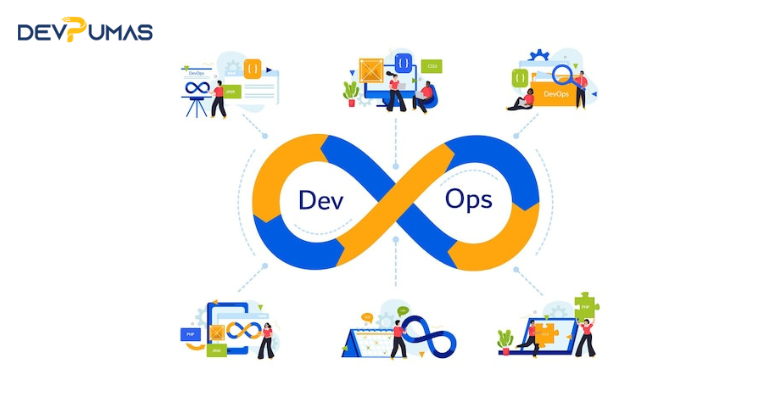
AI in DevOps: Revolutionizing CI/CD Pipelines

Introduction The integration of AI in DevOps is rapidly transforming the landscape of continuous integration and continuous deployment (CI/CD) pipelines. As organizations strive to release software faster and more reliably, the adoption of artificial intelligence (AI) in DevOps practices is proving to be a game-changer. By automating repetitive tasks, predicting failures before they occur, and optimizing workflows, AI is enabling teams to achieve unprecedented levels of efficiency and agility in their software development processes. In this article, we will explore how AI in DevOps is revolutionizing CI/CD pipelines, the benefits it offers, and the key tools and techniques being used to harness its power. The Role of AI in DevOps DevOps combines software development (Dev) and IT operations (Ops) to shorten the development lifecycle and deliver high-quality software more frequently. Traditional DevOps practices rely heavily on automation to achieve these goals, but the introduction of AI takes automation to a new level. AI in DevOps leverages machine learning (ML) algorithms and other AI technologies to enhance and streamline various aspects of the CI/CD pipeline. 1. Automating Repetitive Tasks One of the primary applications of AI in DevOps is the automation of repetitive and mundane tasks. These tasks can include code reviews, testing, monitoring, and deployment. By automating these processes, AI not only reduces the workload on DevOps teams but also minimizes the risk of human error, leading to more consistent and reliable outcomes. For example, AI-powered tools can automatically review code for common errors, suggest improvements, and even rewrite code snippets. This reduces the time developers spend on manual reviews and allows them to focus on more complex problems. 2. Predicting Failures and Optimizing CI/CD Pipelines AI algorithms are adept at identifying patterns in vast amounts of data, making them well-suited for predicting failures in CI/CD pipelines. By analyzing historical data from past deployments, AI can identify potential points of failure and suggest preemptive actions to avoid downtime. This predictive capability is crucial for maintaining the high availability and reliability of software systems. For instance, AI models can predict if a specific change in the codebase is likely to cause a failure based on past data. If a potential issue is detected, the system can alert the DevOps team or automatically roll back the change, ensuring a smooth deployment process. 3. Enhancing Monitoring and Incident Management AI in DevOps is also transforming the way teams monitor their applications and handle incidents. Traditional monitoring tools often generate a large number of alerts, many of which may not require immediate action. This can lead to alert fatigue, where critical issues might be overlooked. AI-powered monitoring systems can intelligently filter out noise, correlate alerts across different systems, and prioritize issues based on their potential impact. Furthermore, these systems can learn from past incidents to improve their accuracy over time, ensuring that DevOps teams are only alerted to the most relevant and urgent issues. Benefits of AI in DevOps for CI/CD Pipelines The integration of AI in DevOps offers numerous benefits that enhance the overall efficiency and effectiveness of CI/CD pipelines: 1. Improved Deployment Speed and Frequency By automating manual tasks and predicting potential failures, AI enables teams to deploy code more quickly and frequently. This rapid deployment capability is essential for organizations that follow agile methodologies and need to respond swiftly to changing market demands. 2. Enhanced Software Quality With AI’s ability to detect errors early in the development process, the overall quality of the software is improved. AI-powered tools can identify potential bugs and security vulnerabilities before they reach production, reducing the need for costly fixes and patches post-release. 3. Reduced Operational Costs Automation through AI in DevOps reduces the need for manual intervention in the CI/CD process, lowering operational costs. Furthermore, by predicting and preventing failures, AI minimizes downtime and the associated costs of outages. 4. Increased Collaboration and Productivity AI tools can provide insights and recommendations that help DevOps teams make more informed decisions. This increased visibility fosters collaboration among team members and enhances productivity by allowing them to focus on higher-value tasks. Key Tools and Technologies for AI in DevOps Several tools and technologies are making it easier for organizations to integrate AI in DevOps and enhance their CI/CD pipelines: 1. AI-Powered CI/CD Platforms Platforms like Jenkins X and CircleCI are beginning to incorporate AI and ML features to improve build and deployment processes. These platforms can automatically optimize build parameters, predict build failures, and recommend configuration changes to enhance performance. 2. Intelligent Monitoring Tools Tools like Dynatrace and Datadog leverage AI to provide intelligent monitoring capabilities. They can automatically detect anomalies, predict potential outages, and offer insights into system performance, helping DevOps teams proactively address issues. 3. Machine Learning for Test Automation AI-driven test automation tools, such as Testim and Functionize, use machine learning to create and maintain test cases automatically. These tools can learn from previous test runs to improve accuracy and reduce false positives, ensuring that only genuine issues are flagged for further investigation. 4. Natural Language Processing (NLP) for Incident Management NLP technologies are being used in incident management tools to process and analyze logs, identify patterns, and suggest resolutions. For example, tools like Moogsoft and BigPanda use NLP to correlate alerts from different sources and provide context-aware incident response recommendations. Implementing AI in DevOps: Best Practices To successfully integrate AI in DevOps, organizations should consider the following best practices: 1. Start with a Clear Strategy Before implementing AI, it’s essential to have a clear strategy that aligns with your organization’s goals. Identify specific areas within your CI/CD pipeline where AI can add the most value, such as automated testing, predictive maintenance, or anomaly detection. 2. Invest in the Right Tools and Talent Choose AI tools and platforms that best fit your organization’s needs and invest in training your DevOps team to effectively use these tools. Building a team with the right mix of skills, including data science and machine learning, is crucial for leveraging AI’s full potential. 3. Monitor and Evaluate AI Performance

AI in DevOps: Revolutionizing CI/CD Pipelines Read More »

The Impact of WebAssembly on Modern Web Development

Introduction For decades, JavaScript has been the backbone of web development, powering dynamic and interactive elements on websites. However, as web applications become more complex and resource-intensive, developers are looking for alternatives that offer better performance and flexibility. Enter WebAssembly in web development. WebAssembly (Wasm) is a binary instruction format that allows developers to write code in languages like Rust, C++, and Go, and run it in the browser with near-native performance. This innovative technology is changing the landscape of web development by expanding the capabilities of the browser, enhancing performance, and improving security. What is WebAssembly? WebAssembly (Wasm) is a low-level bytecode for the web that is designed to be a compilation target for high-level languages like Rust, C++, Go, and many others. Unlike JavaScript, which is an interpreted language, WebAssembly code is compiled ahead of time and executed in a highly optimized way by the browser’s engine. This allows for performance gains that were previously unattainable with JavaScript alone. The core idea behind WebAssembly in web development is to enable a broader range of programming languages for web applications, providing developers with more flexibility and control. Key Features of WebAssembly High Performance: WebAssembly is designed to run at near-native speed by taking advantage of common hardware capabilities available on various platforms. Portability: WebAssembly code can be executed in any environment that supports it, including all major web browsers. Security: WebAssembly runs in a secure sandboxed environment, which reduces the risk of malicious code execution and enhances overall web security. Interoperability with JavaScript: WebAssembly can seamlessly interact with JavaScript, allowing developers to integrate it into existing web applications without a complete rewrite. Why Use WebAssembly in Web Development? 1. Enhanced Performance One of the primary advantages of using WebAssembly in web development is its significant performance boost. WebAssembly is compiled into a binary format directly executed by the browser’s engine, bypassing the need for the extensive parsing and interpretation that JavaScript requires. This leads to faster load times and smoother execution, especially for computationally intensive tasks like gaming, video editing, and 3D modeling. Example Use Case: A web-based CAD (Computer-Aided Design) tool written in C++ can leverage WebAssembly to provide a desktop-like experience within the browser, handling complex calculations and rendering tasks efficiently. With WebAssembly in web development, developers are no longer limited to JavaScript. They can use languages they are more comfortable with or those better suited for specific tasks. For instance, Rust is known for its memory safety features, making it an excellent choice for security-critical applications. C++ offers performance and system-level access, ideal for complex algorithms and high-performance computing. Go provides simplicity and is great for concurrent programming. Example Use Case: A developer can use Rust to create a secure web-based password manager, leveraging Rust’s strong memory safety guarantees while still integrating smoothly with JavaScript-based UI components. 3. Improved Security WebAssembly operates in a secure, sandboxed environment, which helps mitigate several common security vulnerabilities, such as buffer overflows. This sandboxed execution makes WebAssembly in Web Development an attractive option for applications requiring high security, such as financial services or handling sensitive personal data. Example Use Case: An online banking platform can use WebAssembly to ensure that cryptographic operations are performed securely, reducing the risk of exploits that could compromise sensitive user data. 4. Cross-Platform Compatibility WebAssembly is designed to be portable, meaning that code compiled to Wasm can run on any browser and operating system that supports it, without modification. This cross-platform capability simplifies development and deployment, allowing developers to write code once and run it anywhere. Example Use Case: A game developer can write the core logic of a web-based game in C++, compile it to WebAssembly, and ensure it runs smoothly across all major browsers and devices, including desktops, tablets, and smartphones. How to Get Started with WebAssembly in Web Development 1. Writing WebAssembly Code To start using WebAssembly, you need to write code in a language that can be compiled into Wasm. Languages like Rust, C++, and Go are popular choices due to their performance characteristics and available tooling support. Here’s a simple example of how you can write a “Hello, World!” program in Rust and compile it to WebAssembly // hello_world.rs #[no_mangle] pub fn hello_world() -> *const u8 { b”Hello, WebAssembly!”.as_ptr() } To compile this Rust code into WebAssembly, you can use wasm-pack, a popular toolchain for building WebAssembly projects in Rust: wasm-pack build –target web This command compiles the Rust code into WebAssembly, creating a .wasm file that can be used in your web application. 2. Integrating WebAssembly with JavaScript Integrating WebAssembly in web development with existing JavaScript codebases is straightforward. You can load and execute WebAssembly modules using JavaScript’s WebAssembly API. Here’s an example of how to load and run a WebAssembly module in a web application: // Load and instantiate the WebAssembly module fetch(‘hello_world.wasm’).then(response => response.arrayBuffer() ).then(bytes => WebAssembly.instantiate(bytes) ).then(results => { // Call the exported function from WebAssembly const helloWorldPointer = results.instance.exports.hello_world(); console.log(new TextDecoder(‘utf-8’).decode(new Uint8Array(memory.buffer, helloWorldPointer))); }); This JavaScript code loads the WebAssembly module, instantiates it, and calls the exported hello_world function, which returns a pointer to the string “Hello, WebAssembly!”. Challenges and Considerations of Using WebAssembly While WebAssembly in Web Development offers numerous benefits, there are also challenges and considerations to keep in mind: 1. Learning Curve Developers familiar with JavaScript may need to learn new programming languages and paradigms to fully leverage WebAssembly. Additionally, debugging and profiling WebAssembly code can be more challenging compared to JavaScript due to its low-level nature. 2. Performance Overhead Although WebAssembly generally offers superior performance compared to JavaScript, there are cases where the overhead of calling between WebAssembly and JavaScript, known as “JavaScript glue code,” can negate some of the performance benefits. Minimizing these calls is crucial for maintaining performance. 3. Limited Access to Browser APIs Currently, WebAssembly does not have direct access to all browser APIs, such as the DOM (Document Object Model). Developers need to use JavaScript as an intermediary to interact with these APIs, which can add

The Impact of WebAssembly on Modern Web Development Read More »

Explainable AI Systems

Explainable AI: Transparency and Accountability in AI Systems

Introduction As artificial intelligence (AI) systems become increasingly integrated into various aspects of our lives, the need for transparency and accountability has never been greater. From healthcare to finance, AI models are making decisions that significantly impact individuals and society. However, many of these models, particularly those based on complex algorithms like deep learning, are often considered “black boxes” — their inner workings are not easily understood by humans. This is where explainable AI systems come into play. Explainable AI (XAI) aims to make AI models more understandable, providing insights into how decisions are made. Ensuring transparency and accountability in AI systems is crucial for building trust, fostering adoption, and addressing ethical concerns. The Importance of Explainable AI Systems 1. Building Trust and Confidence Trust is fundamental when it comes to deploying AI technologies, especially in critical areas like healthcare, finance, and criminal justice. For people to trust AI systems, they need to understand how these systems reach their decisions. explainable AI systems enable stakeholders, including developers, users, and regulatory bodies, to see the reasoning behind AI’s outputs. This transparency is vital for gaining public confidence, especially in situations where decisions affect people’s lives directly. 2. Improving AI Model Performance and Debugging Explainability also helps developers and data scientists understand how AI models work, leading to better model performance. When the decision-making process is transparent, it becomes easier to identify biases, errors, or flaws in the models. By understanding which features are influencing decisions, developers can fine-tune models to improve accuracy and fairness. explainable AI systems thus play a crucial role in the iterative process of AI development. 3. Ensuring Ethical and Fair Decision-Making AI systems, like any other technology, can be biased, especially if trained on biased data. explainable AI systems allow for the detection of such biases, ensuring that the AI models are not making discriminatory decisions. This is particularly important in sectors like hiring, credit scoring, and law enforcement, where biases can lead to unfair outcomes. Transparency helps ensure that AI systems are aligned with ethical standards and societal values. 4. Counterfactual Explanations Counterfactual explanations provide insights into how a model’s output would change if the input data were altered in specific ways. For instance, “If the applicant had a credit score of 650 instead of 600, the loan would have been approved.” This method helps users understand the decision boundaries of the AI model and what factors could change an outcome. Counterfactuals are particularly valuable in sensitive areas like healthcare and finance, where understanding how to improve outcomes is as important as understanding the initial decision. 5. Transparency by Design Designing models with transparency in mind from the beginning is another effective approach. Techniques such as using simpler models when possible, or employing inherently interpretable models like decision trees, are examples of transparency by design. While these models may not achieve the same level of performance as more complex models, they provide a balance between accuracy and interpretability, making them suitable for certain applications where understanding the decision process is critical. Ethical Implications of Explainable AI Systems As AI becomes more embedded in decision-making processes, ethical considerations around transparency and accountability have come to the forefront. Explainable AI Systems are not just a technical challenge but also an ethical imperative. Here are some ethical implications of explainable AI: 1. Accountability and Responsibility Explainability ensures that AI systems are accountable for their decisions. When the decision-making process is transparent, it becomes easier to identify who or what is responsible for a particular decision. This is especially important in scenarios where AI decisions have significant impacts, such as in criminal justice or healthcare. Explainable AI Systems help clarify the lines of accountability, ensuring that stakeholders can be held responsible for the outcomes of AI decisions. 2. Fairness and Bias Mitigation One of the ethical challenges in AI is ensuring fairness and avoiding bias. Explainable AI Systems play a crucial role in identifying and mitigating biases in AI models. When AI decisions are transparent, it becomes easier to detect discriminatory patterns and take corrective action. This is vital for preventing unfair treatment and ensuring that AI systems do not perpetuate existing social biases. 3. Privacy Concerns While explainability is essential, it also raises privacy concerns. Providing too much transparency can inadvertently expose sensitive information, particularly in models dealing with personal data. For instance, in healthcare, making AI models explainable might require revealing patient data, leading to potential privacy breaches. Balancing transparency with privacy is a critical ethical challenge in developing Explainable AI Systems. 4. Trust and Public Perception The ethical implications of Explainable AI Systems also extend to public perception and trust. If AI models are seen as opaque or untrustworthy, public adoption and acceptance may be hindered. Ensuring that AI systems are explainable helps build trust with users and stakeholders, encouraging wider adoption and reducing skepticism around AI technologies. 5. Informed Consent Explainability also ties into the ethical principle of informed consent. Users should have a clear understanding of how AI systems make decisions, especially in contexts where those decisions significantly impact their lives. Explainable AI Systems ensure that users can make informed choices about whether to accept AI-driven outcomes or seek alternative options. Challenges in Achieving Explainable AI Systems Despite the importance and benefits of explainability, achieving truly explainable AI systems is fraught with challenges: Complexity vs. Interpretability: Many of the most powerful AI models, such as deep neural networks, are inherently complex and difficult to interpret. Simplifying these models often results in a trade-off between accuracy and interpretability. Scalability: Developing explainable models that work effectively at scale can be challenging. As AI systems grow in complexity and are deployed in diverse contexts, ensuring that explainability methods remain effective and applicable becomes more difficult. Balancing Transparency and Security: Providing transparency can sometimes compromise the security of AI models. For instance, revealing too much about a model’s inner workings could make it easier for malicious actors to manipulate or deceive the system. Human Understanding and Interpretation: Even

Explainable AI: Transparency and Accountability in AI Systems Read More »

Zero Trust Security

Zero Trust Security: The Future of Cloud Cybersecurity

Introduction In today’s digital era, businesses increasingly rely on cloud environments, cybersecurity has become a critical concern. Traditional security models, which focused on building strong perimeters to keep intruders out, are proving inadequate in a landscape dominated by mobile workforces, remote access, and sophisticated cyber threats. This is where Zero Trust Security comes into play. With a paradigm shift towards “never trust, always verify,” Zero Trust Security is rapidly emerging as the future of cybersecurity. As companies transition to cloud-first strategies, understanding and implementing Zero Trust principles are essential to protect sensitive data and maintain business continuity. Understanding Zero Trust Security Zero Trust Security is a strategic approach to cybersecurity that eliminates the concept of trust from an organization’s network architecture. Unlike traditional models that operate on the assumption that everything inside an organization’s network can be trusted, Zero Trust assumes that threats could exist both inside and outside the network. The core principle of Zero Trust Security is “never trust, always verify,” meaning every access request is thoroughly checked and authenticated regardless of its origin. The rise of Zero Trust Security in a Cloud-Driven World is driven by several factors: Increasing Cyber Threats: The frequency and sophistication of cyber attacks have increased, making it critical for organizations to adopt robust security measures. Cloud Migration: As more organizations migrate their infrastructure and applications to the cloud, the traditional perimeter-based security model becomes less effective. Remote Workforce: The shift towards remote work has expanded the attack surface, necessitating a more dynamic and flexible security approach. Why is Zero Trust Security Important in a Cloud-Driven World? The shift towards cloud computing has revolutionized how businesses operate, offering flexibility, scalability, and cost-efficiency. However, this shift also presents new security challenges. The traditional perimeter-based security approach is no longer sufficient to protect cloud environments. Here’s why Zero Trust Security in a Cloud-Driven World is crucial: Protects Cloud Workloads: Zero Trust Security helps secure cloud workloads by continuously verifying every connection request, ensuring that only authorized users and devices can access cloud resources. Enhances Visibility and Control: By enforcing strict access controls and monitoring all network traffic, Zero Trust provides enhanced visibility and control over who is accessing what data and when. Reduces the Risk of Data Breaches: Implementing Zero Trust principles minimizes the risk of data breaches by ensuring that even if attackers gain access to the network, they cannot move laterally and access sensitive information. Key Principles of Zero Trust Security To effectively implement Zero Trust Security in a Cloud-Driven World, organizations should adhere to the following key principles: Verify Explicitly: Always authenticate and authorize based on all available data points, including user identity, location, device health, service or workload, data classification, and anomalies. Use Least Privilege Access: Limit user access with just-in-time and just-enough-access (JIT/JEA), risk-based adaptive policies, and data protection to help secure both data and productivity. Assume Breach: Minimize the blast radius for breaches and prevent lateral movement by segmenting access by network, user, device, and application. Verify end-to-end encryption and use analytics to drive threat detection and improve defenses. Implementing Zero Trust Security in Your Cloud Environment Adopting Zero Trust Security requires a strategic and phased approach. Here’s how organizations can effectively implement Zero Trust: Assess and Define the Protect Surface: Unlike traditional models that focus on protecting the entire network, Zero Trust focuses on the protect surface, which is the data, assets, applications, and services (DAAS) that are most critical to the business. Map the Transaction Flows: Understanding how data moves across the network helps in creating micro-segments and implementing appropriate security controls. Build a Zero Trust Architecture: Deploy security controls such as multi-factor authentication (MFA), identity and access management (IAM), micro-segmentation, and robust encryption to enforce Zero Trust principles. Monitor and Maintain the Environment: Continuous monitoring and maintenance are crucial to ensure that the Zero Trust model adapts to evolving threats and changes in the cloud environment. Challenges and Considerations While the benefits of Zero Trust Security in a Cloud-Driven World are clear, organizations must also be aware of potential challenges: Complexity and Cost: Implementing a Zero Trust model can be complex and may require significant investment in new technologies and infrastructure. Integration with Existing Systems: Integrating Zero Trust principles with legacy systems can be challenging, requiring careful planning and execution. User Experience: Overly strict security controls can hinder user experience, leading to frustration and potential productivity loss. It’s crucial to balance security with usability. Future Trends in Zero Trust Security The evolution of Zero Trust Security will be shaped by several emerging trends: Artificial Intelligence and Machine Learning: AI and ML are becoming integral to Zero Trust Security, enabling automated threat detection and response, and reducing the reliance on manual processes. Security Automation and Orchestration: Automation of security processes, such as identity verification and threat detection, will enhance the efficiency and effectiveness of Zero Trust models. Integration with DevOps: As organizations adopt DevOps practices, integrating Zero Trust principles into the DevOps pipeline will become essential to secure application development and deployment processes. Increased Adoption Across Industries: While initially popular in tech-heavy industries, Zero Trust is now being adopted across various sectors, including healthcare, finance, and manufacturing, driven by the need to protect sensitive data and comply with regulatory requirements. Closure As businesses continue to navigate the complexities of a cloud-driven world, Zero Trust Security is becoming an indispensable part of their cybersecurity strategy. By eliminating implicit trust and continuously verifying every access request, Zero Trust provides a robust framework for protecting sensitive data and applications from evolving cyber threats. While there are challenges in implementing Zero Trust Security, the benefits far outweigh the costs, making it a crucial investment for the future of cybersecurity. Embracing Zero Trust Security in a Cloud-Driven World is not just about adopting new technologies but also about fostering a culture of security awareness and vigilance. As cyber threats continue to evolve, organizations must remain proactive in protecting their digital assets, ensuring business continuity, and maintaining the trust of their customers.

Zero Trust Security: The Future of Cloud Cybersecurity Read More »

Implement Effective IT Governance

How to Implement Effective IT Governance in Your Organization

Introduction IT governance is a critical component of an organization’s overall governance strategy, focusing on the alignment of IT strategy with business goals. Effective IT governance ensures that IT investments generate business value and mitigates IT risks, while also fostering transparency and accountability in IT decision-making. In this article, we will explore how to implement effective IT governance in your organization, covering key principles, frameworks, best practices, and tools. 1. Understanding IT Governance IT governance is a framework that ensures that IT resources and systems are used effectively and align with the organization’s objectives. It involves setting policies, procedures, and controls to manage and optimize IT resources and services. The goal of IT governance is to ensure that IT investments support business goals, maximize value, and mitigate risks. IT Governance Framework Overview: 2. Key Principles of Effective IT Governance To implement effective IT governance, organizations should focus on the following key principles: Principle Description Alignment with Business Goals Ensure that IT strategy aligns with the overall business strategy to support growth and efficiency. Value Delivery Optimize IT investments to deliver maximum value and support business outcomes. Resource Optimization Identify and mitigate IT-related risks to protect organizational assets and ensure business continuity. Resource Optimization Efficiently allocate IT resources to ensure that they are used effectively and sustainably. Performance Measurement Monitor and measure IT performance to ensure that IT delivers expected results and supports business objectives. 3. Steps to Implement Effective IT Governance a. Define IT Governance Framework and Goals Begin by defining the IT governance framework that aligns with your organization’s specific needs and goals. Choose a framework such as COBIT (Control Objectives for Information and Related Technologies), ITIL (Information Technology Infrastructure Library), or ISO/IEC 38500. COBIT: Focuses on aligning IT with business goals and managing risks. ITIL: Provides best practices for IT service management (ITSM). ISO/IEC 38500: Offers principles for IT governance tailored to corporate governance. Comparison of IT Governance Frameworks Framework Focus Area Key Features COBIT IT Governance and Management Aligns IT with business strategy, manages risks, and measures performance. ITIL IT Service Management Provides a comprehensive set of best practices for delivering IT services efficiently. ISO/IEC 38500 Corporate Governance of IT Offers principles for good IT governance at the board level. b. Establish IT Governance Structure Create a governance structure that includes key roles and responsibilities. This structure should involve: IT Governance Board: A group of senior executives responsible for overseeing IT strategy and ensuring alignment with business goals. IT Steering Committee: A committee that includes IT and business leaders to review IT projects and investments. IT Risk Management Team: A team dedicated to identifying and mitigating IT risks. IT Governance Structure c. Develop IT Policies and Procedures Create clear IT policies and procedures that define how IT will be managed and operated. These should cover: IT Investment and Budgeting: Establish guidelines for IT spending and investment prioritization. IT Risk Management: Define procedures for identifying, assessing, and mitigating IT risks. Data Management and Security: Set policies for data governance, privacy, and security. d. Implement IT Performance Measurement and Reporting Develop a performance measurement system to track the effectiveness of IT governance. Key performance indicators (KPIs) should be defined to measure: IT Alignment with Business Goals: Assess how well IT projects support business objectives. IT Risk Management Effectiveness: Measure the reduction of IT-related risks and incidents. IT Service Quality: Evaluate the quality and efficiency of IT services provided to users. 4. Best Practices for Effective IT Governance To ensure the success of your IT governance implementation, follow these best practices: a. Foster Collaboration Between IT and Business Units Effective IT governance requires strong collaboration between IT and business units. Ensure that IT and business leaders work together to align IT initiatives with business goals. Joint Planning: Involve IT and business stakeholders in strategic planning to ensure alignment and buy-in. Regular Communication: Establish regular meetings and communication channels to keep all parties informed and engaged. b. Focus on Risk Management and Compliance A robust IT governance framework should prioritize risk management and compliance to protect the organization from threats and ensure adherence to regulations. Risk Assessments: Conduct regular risk assessments to identify potential threats and vulnerabilities. Compliance Audits: Perform periodic compliance audits to ensure that IT practices meet regulatory requirements. c. Utilize Technology and Tools for Automation Use technology and tools to automate IT governance processes, improve efficiency, and reduce the likelihood of errors. Governance, Risk, and Compliance (GRC) Tools: Utilize GRC tools like MetricStream, RSA Archer, and SAP GRC to automate risk management and compliance processes. Data Analytics: Implement data analytics tools to monitor IT performance and identify trends and areas for improvement. d. Continuously Improve IT Governance Practices IT governance is an ongoing process that requires continuous improvement. Regularly review and update IT governance policies, procedures, and practices to adapt to changing business needs and technological advancements. Feedback Mechanisms: Establish feedback mechanisms to gather input from stakeholders and identify areas for improvement. Benchmarking: Regularly benchmark IT governance practices against industry standards and best practices to identify gaps and opportunities for enhancement. 5. Challenges in Implementing IT Governance Implementing IT governance can be challenging due to several factors: a. Resistance to Change Challenge: Resistance from employees and departments can hinder the implementation of IT governance. Solution: Communicate the benefits of IT governance clearly and involve stakeholders in the process to gain buy-in and support. b. Lack of Skilled Personnel Challenge: A shortage of skilled personnel with experience in IT governance can impede progress. Solution: Invest in training and development programs to build governance skills within your organization. c. Balancing Governance and Agility Challenge: Striking the right balance between governance and agility can be difficult, especially in fast-paced environments. Solution: Adopt a flexible governance framework that allows for rapid decision-making while maintaining control and oversight. Closure Implementing effective IT governance in your organization is essential for aligning IT strategy with business goals, managing risks, and maximizing value from IT investments. By following a structured approach that includes defining a

How to Implement Effective IT Governance in Your Organization Read More »

Role of DevOps in IT Infrastructure Management

The Role of DevOps in Modern IT Infrastructure Management

The Role of DevOps in Modern IT Infrastructure Management Introduction In today’s fast-paced digital landscape, DevOps has emerged as a crucial practice for modern IT infrastructure management. By fostering a culture of collaboration and continuous improvement, DevOps integrates software development (Dev) and IT operations (Ops) to enhance productivity, efficiency, and reliability in delivering IT services. This article explores the role of DevOps in modern IT infrastructure management, detailing its benefits, best practices, and key tools that are essential for businesses aiming to achieve agility and scalability. 1. Understanding DevOps and Its Importance in IT Infrastructure Management DevOps is a set of practices that combines software development and IT operations to shorten the system development life cycle and provide continuous delivery with high software quality. It aims to automate and integrate the processes between software development and IT teams to build, test, and release software more rapidly and reliably. In the context of IT infrastructure management, DevOps plays a pivotal role in ensuring that IT environments are scalable, flexible, and capable of supporting continuous integration and continuous delivery (CI/CD) pipelines. This approach not only speeds up software deployment but also enhances the stability and security of IT systems. 2. Key Benefits of DevOps in IT Infrastructure Management DevOps brings several benefits to IT infrastructure management, enhancing operational efficiency and fostering innovation: Benefit Description Faster Time-to-Market DevOps enables rapid development and deployment cycles, reducing the time required to bring new features and products to market. Improved Collaboration and Efficiency By breaking down silos between development and operations teams, DevOps fosters a culture of collaboration, improving overall productivity. Enhanced Scalability and Flexibility DevOps practices ensure that IT infrastructure can scale up or down based on demand, allowing businesses to respond quickly to changing needs. Increased Reliability and Stability Automated testing and continuous monitoring ensure that software deployments are reliable and that infrastructure issues are identified and resolved quickly. Better Security and Compliance DevOps integrates security practices (DevSecOps) into the development pipeline, ensuring that security is a priority from the outset. 3. Best Practices for Implementing DevOps in IT Infrastructure Management a. Embrace Continuous Integration and Continuous Delivery (CI/CD) Continuous Integration (CI) involves automatically integrating code changes from multiple contributors into a single software project. Continuous Delivery (CD) extends this by ensuring that code changes are automatically tested and prepared for production release. Automated Testing: Implement automated testing to detect and resolve issues early in the development process, ensuring high-quality releases. Frequent Deployments: Use CI/CD pipelines to deploy code frequently and consistently, reducing deployment risks and ensuring faster delivery of new features. b. Implement Infrastructure as Code (IaC) Infrastructure as Code (IaC) is a practice in DevOps where infrastructure is provisioned and managed using code and software development techniques. IaC enables the automation of infrastructure management tasks, ensuring consistency and reducing manual errors. Version Control: Store infrastructure code in version control systems (e.g., Git) to track changes, collaborate with team members, and roll back changes if needed. Automation Tools: Use tools like Terraform, Ansible, or AWS CloudFormation to automate the provisioning and configuration of infrastructure. c. Foster a Collaborative Culture A successful DevOps implementation requires a culture that promotes collaboration and communication between development and operations teams. Cross-Functional Teams: Create cross-functional teams that include developers, operations personnel, and quality assurance (QA) engineers to ensure that all aspects of the software development lifecycle are considered. Shared Responsibility: Encourage a sense of shared responsibility for the success of deployments and the stability of the IT infrastructure. d. Leverage Monitoring and Logging Tools Continuous monitoring and logging are critical components of DevOps, enabling teams to detect issues early and ensure that infrastructure and applications are performing optimally. Real-Time Monitoring: Implement real-time monitoring tools like Prometheus, Grafana, or Datadog to track the health and performance of your infrastructure. Centralized Logging: Use centralized logging solutions like ELK Stack (Elasticsearch, Logstash, Kibana) or Splunk to aggregate logs from different sources and gain insights into application behavior and system performance. 4. Key Tools for DevOps in IT Infrastructure Management A variety of tools are available to support DevOps practices in IT infrastructure management. Here are some key tools and their functions: Tool Function Jenkins An open-source automation server used for building, testing, and deploying code changes. Docker A platform that uses containerization to package and run applications in isolated environments. Kubernetes An open-source container orchestration platform for automating the deployment, scaling, and management of containerized applications. Ansible An open-source automation tool used for IT tasks such as configuration management, application deployment, and orchestration. Nagios A monitoring tool that provides alerts and comprehensive monitoring of systems, networks, and infrastructure. 5. Challenges in Implementing DevOps for IT Infrastructure Management Despite its many benefits, implementing DevOps in IT infrastructure management can pose several challenges: a. Resistance to Change Challenge: Resistance to change from traditional development and operations teams can hinder DevOps adoption. Solution: Foster a culture of collaboration and continuous improvement by providing training and encouraging open communication between teams. b. Security Concerns Challenge: Integrating security into the DevOps pipeline (DevSecOps) requires careful planning and can introduce complexity. Solution: Embed security practices into the development lifecycle, using automated security testing tools and ensuring that security is a shared responsibility across teams. c. Managing Complexity Challenge: DevOps practices can introduce complexity, especially in large organizations with diverse IT environments. Solution: Simplify processes where possible, use automation to manage routine tasks, and adopt a gradual approach to implementing DevOps practices. Closure: The role of DevOps in modern IT infrastructure management is pivotal for organizations aiming to enhance agility, scalability, and efficiency. By embracing DevOps practices such as CI/CD, Infrastructure as Code, and continuous monitoring, businesses can improve collaboration, reduce deployment times, and ensure the stability and security of their IT environments. Despite the challenges, a well-implemented DevOps strategy can provide significant benefits, enabling organizations to adapt to changing market demands and drive innovation.

The Role of DevOps in Modern IT Infrastructure Management Read More »

Optimizing IT Infrastructure for Scalability and Growth

Introduction In today’s rapidly evolving business environment, optimizing IT infrastructure for scalability and growth is crucial for organizations aiming to stay competitive and agile. Scalability ensures that an IT infrastructure can handle increasing loads without compromising performance, while growth involves the ability to expand and integrate new technologies seamlessly. This article explores the best practices for optimizing IT infrastructure to achieve scalability and growth, including the latest technologies and strategies that businesses should consider. 1. Understanding IT Infrastructure Scalability and Growth IT infrastructure scalability refers to the ability of an IT system to handle increased workloads by adding resources such as CPU, memory, and storage. Scalability can be vertical (adding more resources to a single server) or horizontal (adding more servers to a system). Growth in IT infrastructure involves expanding the capacity and capabilities of the infrastructure to support new applications, services, and user bases. Growth should be aligned with business objectives to ensure that infrastructure investments yield maximum value. 2. Key Components of Scalable IT Infrastructure To optimize IT infrastructure for scalability and growth, consider the following key components: Component Description Compute Resources Includes servers, CPUs, and GPUs that provide the processing power for applications and services. Storage Solutions Involves databases, SSDs, HDDs, and cloud storage that store data securely and efficiently. Networking Infrastructure Encompasses routers, switches, and firewalls that manage data flow and connectivity. Virtualization and Containerization Technologies like VMs (Virtual Machines) and containers that enable efficient resource allocation. Monitoring and Management Tools Software solutions that provide insights into performance and help in proactive management. 3. Best Practices for Optimizing IT Infrastructure for Scalability a. Adopt Cloud-Based Solutions One of the most effective ways to optimize IT infrastructure for scalability is to adopt cloud-based solutions. Cloud services such as Amazon Web Services (AWS), Microsoft Azure, and Google Cloud Platform (GCP) offer scalable infrastructure that can be easily adjusted based on demand. Elasticity: Cloud platforms provide elastic resources that can scale up or down automatically, ensuring that businesses only pay for what they use. Cost Efficiency: Cloud solutions reduce the need for significant upfront investments in hardware and allow for predictable operating expenses. Global Reach: Cloud providers offer global data centers, enabling businesses to deliver services closer to their customers and reduce latency. Cloud Infrastructure Benefits Cloud Benefits Elasticity Cost Efficiency Global Reach Improved Security b. Implement Virtualization and Containerization Virtualization and containerization are key technologies for optimizing IT infrastructure scalability. Virtualization: Allows multiple virtual machines (VMs) to run on a single physical server, maximizing hardware utilization and providing flexibility in resource allocation. Containerization: Containers encapsulate applications and their dependencies, ensuring consistent performance across different environments and enabling easy scaling of applications. These technologies reduce infrastructure costs, improve resource utilization, and allow for quick deployment and scaling of applications. c. Optimize Networking Infrastructure An optimized networking infrastructure is crucial for scalability. Ensure that your network can handle increased data flow by: Upgrading to High-Performance Hardware: Use modern routers, switches, and firewalls that support higher data throughput and reduced latency. Implementing Software-Defined Networking (SDN): SDN allows for dynamic network management, making it easier to scale network resources in response to changing demands. Utilizing Content Delivery Networks (CDNs): CDNs cache content closer to users, reducing latency and improving performance for web-based applications and services. d. Leverage Automation and AI for Infrastructure Management Automation and AI can significantly enhance the scalability of IT infrastructure by automating routine tasks and optimizing resource allocation. Automated Scaling: Implement scripts or use cloud-native tools to automatically adjust resources based on predefined thresholds, ensuring optimal performance without manual intervention. Predictive Analytics: Use AI-powered analytics to predict future resource needs and adjust infrastructure accordingly, preventing downtime and performance issues. Proactive Monitoring: Deploy monitoring tools that use machine learning algorithms to detect anomalies and alert IT teams to potential issues before they impact operations. e. Ensure Robust Security and Compliance As IT infrastructure scales, maintaining security and compliance becomes more challenging. Implement robust security measures to protect data and applications: Access Controls: Use role-based access controls (RBAC) to restrict access to sensitive data and systems based on user roles. Encryption: Ensure data is encrypted both in transit and at rest to protect it from unauthorized access. Regular Audits: Conduct regular security audits and compliance checks to identify vulnerabilities and ensure adherence to regulations like GDPR and CCPA. 4. Strategies for Supporting IT Infrastructure Growth To support IT infrastructure growth, businesses should adopt the following strategies: a. Plan for Future Capacity Needs Anticipate future capacity needs by analyzing historical data and business growth projections. Use this information to develop a scalable infrastructure roadmap that aligns with your business goals. b. Integrate Emerging Technologies Stay ahead of the curve by integrating emerging technologies such as edge computing, 5G, and AI/ML (artificial intelligence/machine learning) into your infrastructure. These technologies can provide new capabilities and improve the efficiency of your IT operations. c. Foster a Culture of Continuous Improvement Encourage a culture of continuous improvement within your IT team. Regularly review infrastructure performance, identify areas for optimization, and implement best practices to ensure your infrastructure remains scalable and adaptable to change. 5. Challenges in Optimizing IT Infrastructure for Scalability and Growth Despite the benefits, optimizing IT infrastructure for scalability and growth comes with challenges: a. Balancing Cost and Performance Challenge: Achieving the right balance between cost and performance can be difficult, especially when scaling rapidly. Solution: Implement cost-management strategies such as reserved instances, usage optimization tools, and cloud cost monitoring solutions to manage expenses effectively. b. Managing Complexity Challenge: As infrastructure scales, it becomes more complex and challenging to manage. Solution: Use centralized management tools and automation to simplify infrastructure management and reduce complexity. c. Ensuring Data Security Challenge: Securing data in a scalable infrastructure is challenging, especially with distributed systems and cloud environments. Solution: Implement comprehensive security frameworks and practices, including encryption, multi-factor authentication, and regular security assessments. CLOSURE Optimizing IT infrastructure for scalability and growth is essential for businesses looking to stay competitive in today’s dynamic market. By adopting cloud-based

Optimizing IT Infrastructure for Scalability and Growth Read More »

Rescue your company’s growth!

Let’s talk about your next development project, and we’ll connect you with the best team for the job.

CANADA

PAKISTAN

Copyright© 2023 DevPumas | Powered by DevPumas

1-1 Meeting with Our
CTO & get
your quotation within 2 hours!

Scroll to Top