Full Stack Development: Complete Beginner’s Guide 2026
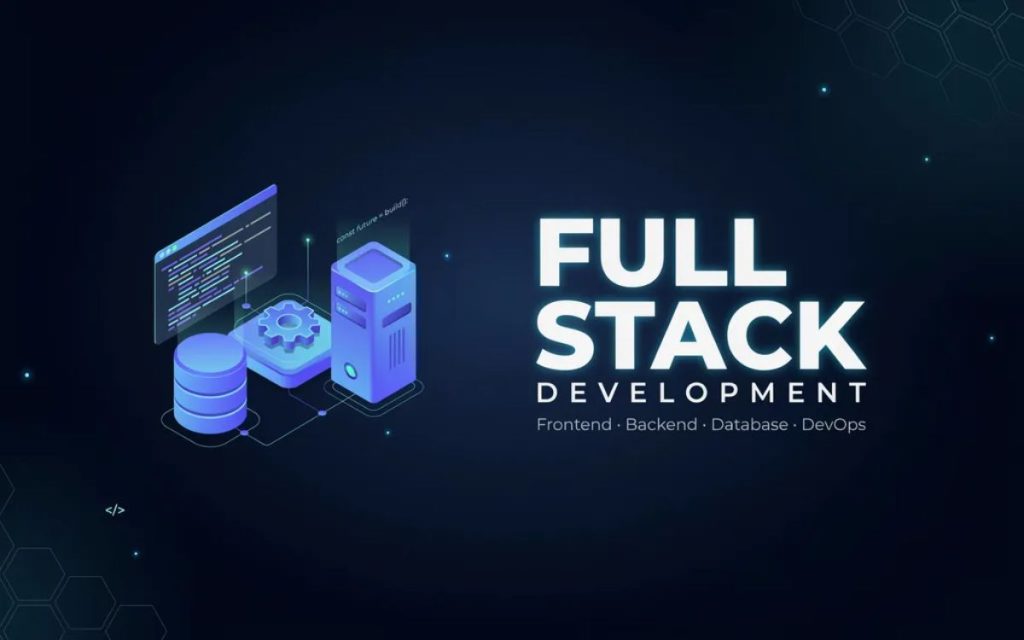
Introduction If you’ve been thinking about building websites or web applications, you’ve probably come across the term Full Stack Development more than once. It can feel overwhelming at first, especially when you’re trying to understand how front-end and back-end technologies work together to create complete digital experiences. In this guide, you’ll learn what Full Stack Development really means, why it’s such a valuable skill in today’s tech industry, and what tools and technologies full stack developers use. Whether you’re a beginner exploring a new career path or someone looking to expand your programming skills, this article will give you the insights you need to get started. What Is Full Stack Development? Full Stack Development refers to the process of building and maintaining both the client-side and server-side portions of an application. A full stack developer works across the entire application architecture, from designing user interfaces to managing databases and backend infrastructure. This approach allows developers to understand how different layers of modern web applications connect and communicate. Instead of specializing in only one area, they gain knowledge across multiple technologies and development processes. Definition of Full Stack Development At its core, full stack programming involves working with all major components of a web application. These include the front-end interface users see, the back-end logic that processes data, and the databases that store information. A full stack engineer can build an entire application from start to finish. This versatility makes them valuable in startups, agencies, and enterprise web solutions environments. Front-End vs Back-End Development Frontend vs backend development is one of the first concepts beginners encounter. Front-end development focuses on what users interact with directly, including layouts, buttons, menus, and animations. Back-end development handles business logic, authentication, data processing, and communication with databases. Together, these components create seamless user experiences and functional applications. Why It’s Called “Full Stack” The term “stack” refers to the collection of technologies used to build an application. Since developers work across the entire technology stack, they’re called full stack developers. Think of building a house. The front-end is the exterior and interior design people see. The back-end is the plumbing, electrical wiring, and structural framework that keeps everything working properly. Components of Full Stack Development Every successful web application relies on several interconnected components. Understanding these building blocks helps beginners grasp how web technologies work together. When combined properly, these layers create scalable web applications that deliver fast performance, security, and excellent user experience design. Front-End Development Front-end development focuses on user interface development and responsive web design. Developers use HTML5, CSS3, and JavaScript to create attractive and mobile-friendly websites. Modern frameworks such as React.js, Angular, and Vue.js make it easier to build interactive interfaces while improving performance and maintainability. Back-End Development Server-side development powers everything users don’t directly see. This includes user authentication, business logic, application security, and data processing. Popular backend technologies include Node.js, Express.js, Python, Django, Flask, PHP, Laravel, Java, and Spring Boot. These tools help developers build reliable software solutions. Database Management Database development involves storing, organizing, and retrieving application data efficiently. Without databases, applications couldn’t remember user information, products, or transactions. Popular database management systems include MongoDB, MySQL, and PostgreSQL. Choosing the right database depends on project requirements and scalability goals. Simple Full Stack Architecture Diagram Frontend (HTML, CSS, JavaScript) ↓ REST API / GraphQL ↓ Backend (Node.js, Django, Laravel) ↓ Database (MongoDB, MySQL, PostgreSQL) Essential Skills for Full Stack Developers Success in this field requires a mix of technical knowledge and soft skills. While tools change over time, core development principles remain valuable throughout a developer’s career. Building strong full stack developer skills takes patience, practice, and continuous learning. Programming Languages Programming languages form the foundation of web development. JavaScript remains one of the most important languages because it works on both the front end and back end. Many developers also learn Python, PHP, Java, or TypeScript to expand their capabilities and increase career flexibility. Version Control (Git & GitHub) Version control helps developers track code changes and collaborate effectively. Git allows teams to manage projects without accidentally overwriting each other’s work. GitHub provides cloud-based repositories where developers can store code, review changes, and showcase projects to employers. Database Management A good full stack developer understands how databases function and how data flows through applications. This knowledge improves performance and helps prevent common development issues. Learning SQL and NoSQL databases gives developers flexibility when working on different project types. API Integration API development enables applications to communicate with external services and systems. Whether connecting payment gateways or social media platforms, APIs play a crucial role in modern software development. REST API and GraphQL are two widely used approaches for creating and managing application communication. Problem-Solving Skills Coding isn’t just about writing syntax. Developers constantly solve problems, troubleshoot bugs, and improve application performance. Strong analytical thinking helps developers create efficient solutions while reducing development time and maintenance costs. Popular Technologies Used in Full Stack Development The technology landscape changes rapidly, but some tools remain industry favorites due to their reliability and community support. Learning the right combination of technologies can significantly accelerate your full stack development career path. Layer Popular Technologies Front-End HTML5, CSS3, JavaScript, React.js Back-End Node.js, Django, Laravel, Spring Boot Database MongoDB, MySQL, PostgreSQL Cloud AWS, Microsoft Azure DevOps Docker, Kubernetes Front-End Technologies HTML5 provides structure, CSS3 handles styling, and JavaScript adds interactivity. Together, they form the foundation of client-side development. Frameworks like React.js, Angular, and Vue.js simplify complex interface development and improve development efficiency. Back-End Technologies Back-end frameworks help developers build secure and scalable applications. Node.js and Express.js are popular JavaScript-based solutions for server-side development. Python frameworks like Django and Flask are known for simplicity and speed. Meanwhile, Laravel and Spring Boot remain popular choices for enterprise applications. Databases Databases serve as the backbone of web application architecture. They store user accounts, product information, content, and business data. MongoDB offers flexibility for modern applications, while MySQL and PostgreSQL provide strong relational database capabilities. Full Stack Development Roadmap
Full Stack Development: Complete Beginner’s Guide 2026 Read More »